Tag: bounce rate

  • How AI & Big Data Are Revolutionizing Email Validation

    How AI & Big Data Are Revolutionizing Email Validation

    In today’s fast-paced digital world, email marketing has become one of the most effective channels for startups and businesses to connect with their audience. However, the growing complexity of spam filters and deliverability challenges can severely hinder the effectiveness of email campaigns. This is where AI and Big Data come in. These technologies have transformed the email validation process, enabling businesses to ensure their emails reach the right inbox without being flagged as spam or bouncing back.

    AI-powered email verification uses sophisticated algorithms and Big Data analytics to validate email addresses with unprecedented accuracy. By analyzing historical data and real-time trends, AI can detect potential spam traps, invalid emails, and inactive accounts that might otherwise damage your sender reputation. This approach not only enhances email deliverability but also prevents spam complaints and protects businesses from the risk of being blacklisted. For startups and small businesses, leveraging these technologies offers a competitive edge, enabling them to build cleaner, more engaged email lists while reducing wasted resources on undelivered messages.

    1. The Role of AI in Modern Email Validation

    The evolution of email validation has taken a monumental step forward with the introduction of AI in email verification. AI-powered tools can analyze massive volumes of data to spot patterns, trends, and potential issues that may go unnoticed by traditional methods. Through machine learning, AI systems continuously improve their accuracy by learning from previous email campaigns and adapting to new data points. This dynamic approach allows AI to provide more precise email verification than ever before, ensuring that only valid and relevant contacts make it onto your list.

    Recommendation: For startups, integrating AI-powered email verification into your email marketing strategy is crucial. These systems can significantly enhance your list hygiene by identifying risky or non-engaged subscribers, ultimately improving email deliverability and protecting your sender reputation.

    Background Story: A startup focused on growing its email subscriber list noticed a sharp drop in open rates. After implementing AI-based email validation, the startup experienced a drastic improvement in their campaign success, as more emails were delivered to engaged, valid addresses.

    2. How Big Data Enhances Email Verification Accuracy

    Big Data plays a critical role in the modern landscape of email validation. By leveraging vast amounts of data, businesses can now validate email addresses more accurately than ever before. Big Data tools analyze billions of records across various touchpoints, assessing factors such as domain reputation, email engagement, and historical data. This data-driven approach enables email verification systems to assess the likelihood of an email address being valid or invalid with greater confidence.

    Recommendation: Startups should take advantage of Big Data to enhance their email list management processes. By using Big Data analytics to filter out non-responsive or risky contacts, businesses can improve email deliverability and decrease the chances of being blacklisted due to high bounce rates or spam complaints.

    Background Story: A growing e-commerce business used Big Data to clean up its email lists. By cross-referencing engagement data and domain health, they significantly reduced bounce rates and increased conversions, leading to higher customer retention and improved email campaign effectiveness.

    3. AI and Big Data in Preventing Email Blacklisting

    One of the most significant threats to any email marketing campaign is being blacklisted by email service providers. When this happens, your emails are blocked or marked as spam, reducing your reach and credibility. AI and Big Data help prevent blacklisting by proactively analyzing email lists, detecting suspicious patterns, and eliminating high-risk contacts before they cause damage. These technologies can spot potential spam traps, identify invalid domains, and predict how likely an email is to trigger complaints based on historical data and trends.

    Recommendation: Startups should integrate AI and Big Data-driven tools into their email validation systems to prevent blacklisting. By ensuring their email lists are clean and targeted, they can avoid costly mistakes that harm their sender reputation.

    Background Story: A tech startup had its email campaigns blocked by multiple providers due to high bounce rates. After adopting AI and Big Data-based email verification, the company eliminated problematic emails and experienced a 30% improvement in deliverability and avoided blacklisting.

    4. The Advantages of Data-driven Email List Management

    Data-driven decision-making is no longer a luxury for businesses but a necessity, especially in email marketing. Data-driven email list management means using insights and analytics to manage and optimize your email database. This involves segmenting lists based on customer behavior, engagement levels, and demographic information, enabling businesses to send targeted and personalized content. Moreover, AI-powered verification can validate email addresses, ensuring they’re not only valid but also in a high engagement tier.

    Recommendation: Startups should focus on refining their email list management processes by leveraging data and AI to target the most engaged subscribers. Personalized email campaigns based on real-time data will lead to higher engagement rates, improved customer relationships, and fewer spam complaints.

    Background Story: An online retailer improved its email marketing results by analyzing customer behaviors and using AI for email validation. By tailoring email campaigns to high-engagement users, they saw a significant boost in customer retention and a decrease in unsubscribes.

    5. How to Leverage AI and Big Data for Improved Email Deliverability

    Email deliverability is critical for any email campaign’s success. By using AI and Big Data, businesses can improve their deliverability rates significantly. AI-powered tools can analyze emails before sending, ensuring they meet deliverability standards and are free of red flags. Big Data ensures that email addresses are vetted against extensive databases of known spam traps, ensuring that only legitimate and relevant recipients are included. These tools can provide real-time insights into the health of an email list, offering proactive recommendations to keep deliverability rates high.

    Recommendation: Implementing AI and Big Data-driven email verification tools is crucial for any startup looking to maintain high deliverability. By continuously refining and verifying your email lists, you’ll be able to send more effective and personalized messages with a higher chance of reaching the inbox.

    Background Story: A SaaS startup used AI-powered email verification to analyze and improve their email campaigns. By incorporating Big Data insights and keeping their email lists clean, they reduced their bounce rate by 25%, improving their email reach and increasing conversions.

    Conclusion

    The integration of AI and Big Data into the email validation process is revolutionizing the way businesses manage their email campaigns. For startups, these technologies offer a powerful solution to prevent spam complaints, reduce bounce rates, and avoid blacklisting. By validating email addresses with AI’s advanced algorithms and utilizing Big Data to assess historical patterns, businesses can achieve higher email deliverability, better engagement, and stronger customer relationships.

    Recommendations for Startups: To maximize the effectiveness of your email marketing campaigns, invest in AI-powered email validation tools that leverage Big Data insights. These tools will ensure that your email lists are clean, your sender reputation is intact, and your campaigns are more successful. Startups should also integrate these technologies into their broader marketing strategy for data-driven decision-making. The ability to validate emails in real-time, segment lists based on engagement, and track deliverability will give startups a competitive edge in the crowded digital marketplace. Don’t let invalid emails or blacklisting disrupt your business’s growth—opt for AI and Big Data-based email verification to build a more robust, engaged, and successful email marketing strategy.

  • How Email Verification Helped a Business Recover Lost Revenue

    How Email Verification Helped a Business Recover Lost Revenue

    In today’s fast-paced digital world, email marketing is an essential tool for businesses to reach their customers directly. However, many businesses face the risk of losing their email sender reputation due to poor email hygiene. One of the most damaging consequences of neglecting proper email verification is blacklisting. When emails get flagged as spam or undelivered, not only do businesses lose valuable leads, but they also risk their future campaigns being doomed to the same fate. That’s where email verification comes into play.

    Email verification helps businesses maintain a clean and engaged subscriber list. By filtering out invalid or inactive email addresses, it ensures that marketing messages are sent to real customers. This practice drastically reduces the chances of getting blacklisted, which can significantly harm a business’s revenue. In this article, we will explore how implementing a proper email verification process can help businesses recover lost revenue, prevent spam complaints, and protect their sender reputation from blacklisting. If you’re looking to boost your business’s email marketing effectiveness and regain trust, keep reading.

    1. The Dangers of Poor Email List Hygiene

    In this section, we’ll discuss the common pitfalls of neglecting email verification. Unverified email lists lead to undeliverable emails, higher bounce rates, and spam complaints. We’ll also explain how this damages your sender reputation, which directly impacts open rates, click-through rates, and ultimately your sales. Email verification filters out invalid and disposable email addresses before they reach your email campaign, which is critical to avoid these issues. Businesses can lose their sender credibility fast, and the cost of recovery is high, but it can be avoided by implementing effective email verification strategies. We’ll provide real-world examples of companies that faced these issues and how they recovered by taking action.

    2. How Email Verification Helps Prevent Spam Complaints & Blacklisting

    This section will dive into the mechanics of spam complaints and blacklisting. When email addresses are invalid or belong to uninterested recipients, the chances of recipients marking your emails as spam increases. This results in an immediate threat to your sender reputation. If emails consistently go undelivered or are marked as spam, major email service providers (ESPs) will blacklist the sender’s domain, which harms the company’s ability to deliver emails to any recipient. By using email verification services, businesses can ensure their emails are sent only to valid, engaged contacts, thus preventing these harmful issues. We’ll discuss the technology behind email verification and how it improves deliverability.

    3. How Email Verification Drives Business Recovery & Revenue

    After addressing the challenges caused by poor email practices, we’ll focus on how email verification can help businesses recover lost revenue. Businesses that use email verification see a significant increase in deliverability, leading to better open rates and engagement. With a clean list, companies will see higher ROI from their email campaigns, as marketing messages reach the intended audience. We’ll explain how email verification helps businesses connect with active customers, build trust, and increase retention. We’ll also provide case studies of businesses that implemented email verification and witnessed a return on investment.

    4. Best Practices for Implementing Email Verification

    In this section, we’ll outline the best practices for implementing email verification for businesses. It’s essential to regularly clean your email list by removing duplicates, invalid emails, and low-quality addresses. We’ll also explain the process of integrating email verification into your existing email marketing platform. Recommendations will include using trusted and reliable email verification tools, automating the verification process to reduce manual errors, and setting up an email hygiene routine to ensure optimal list health. Additionally, we’ll offer tips on monitoring your email performance to stay ahead of potential issues.

    5. Conclusion: How Email Verification Boosts Startup Success

    The article will conclude by summarizing the importance of email verification in maintaining a clean email list and improving deliverability. For startup owners, maintaining strong email marketing practices is crucial for growth. By investing in email verification, startups can recover lost revenue, protect their brand reputation, and increase engagement. We’ll include actionable recommendations for startup owners to adopt email verification practices as part of their email marketing strategy. We’ll also emphasize that email verification is an ongoing process that should evolve as the business grows. By focusing on customer acquisition and retention with clean email lists, startups can ensure long-term success and a strong return on investment.

    Conclusion with Recommendations:

    In conclusion, email verification is not just a tool for enhancing email deliverability; it’s an essential strategy for business growth and recovering lost revenue. By ensuring that marketing emails only reach valid, interested subscribers, businesses can increase their ROI, build trust, and reduce the risks of blacklisting. For startup owners, adopting email verification should be a priority in their marketing strategies. It offers a reliable way to clean and maintain email lists, which leads to higher engagement, fewer spam complaints, and ultimately better sales performance.

    We recommend that startup owners invest in reliable, automated email verification tools that can seamlessly integrate into their email marketing platforms. Additionally, it’s crucial to regularly update and cleanse your email list to maintain optimal email hygiene. Email verification is a small investment that offers substantial long-term benefits, including sustained business growth, improved customer retention, and a positive sender reputation. Startups looking to thrive in a competitive market should consider making email verification a part of their standard email marketing practice.

  • Case Study: How an E-commerce Store Increased Sales with Email Validation

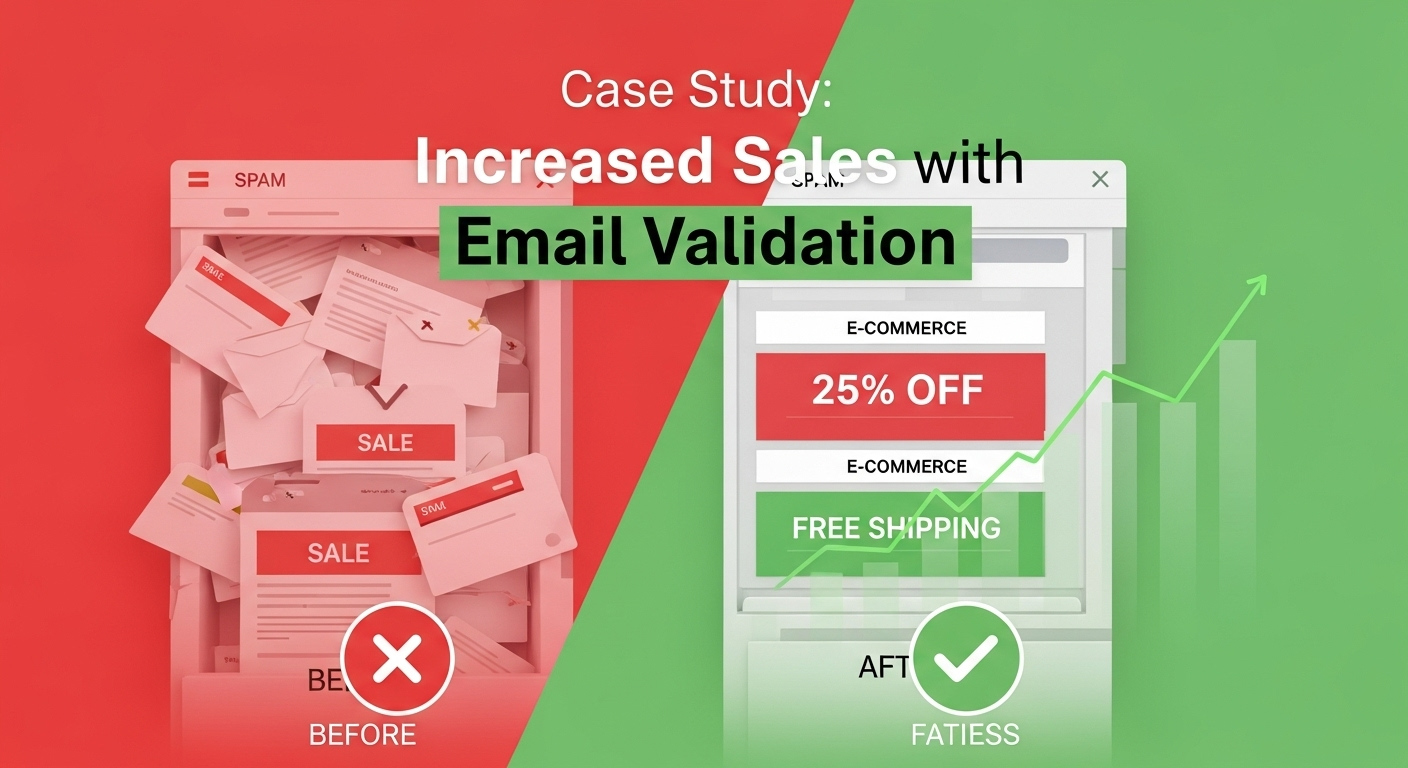
    Case Study: How an E-commerce Store Increased Sales with Email Validation

    In today’s digital age, email marketing remains one of the most effective ways to engage with customers and drive sales. But for businesses—especially small startups and e-commerce stores—email campaigns can backfire if not properly managed. One critical aspect often overlooked is email verification. A well-maintained email list can make or break a campaign, as email validation helps eliminate invalid, fake, or spam traps, ultimately ensuring higher deliverability rates and avoiding blacklisting. This article delves into a compelling case study showcasing how a leading e-commerce store transformed their email marketing efforts by adopting email validation, resulting in increased sales, improved customer engagement, and a healthier bottom line.

    When an e-commerce business faces challenges like low email open rates, increased spam complaints, or declining conversions, it’s a signal that something’s off with their email practices. By implementing email verification as part of their email marketing strategy, this company saw a sharp rise in their conversion rates, customer retention, and overall sales. This email validation approach eliminated unnecessary risk, preventing them from being marked as spam and ultimately avoiding the penalties that come with it. Stay tuned as we explore how this simple yet effective strategy helped the business grow and flourish.

    1. Understanding Email Validation and Its Importance

    Explanation (200 words):
    In this section, we will define email validation and its significance for businesses of all sizes, particularly small startups. Email validation is the process of verifying email addresses to ensure they are legitimate and active before they are added to a mailing list. It eliminates spam traps, invalid, or disposable email addresses, ultimately improving email deliverability and ensuring that emails reach actual, engaged recipients. We will emphasize that email verification isn’t just a tool to reduce spam complaints but is crucial in protecting a brand’s reputation, avoiding blacklisting, and ensuring that email campaigns don’t end up in the dreaded spam folder.

    In addition, we’ll highlight how businesses often overlook email hygiene, causing their email marketing campaigns to underperform. Poorly maintained email lists can lead to a high bounce rate, spam complaints, and a damaged sender reputation. The article will further explain how email validation directly improves customer engagement and how it aligns with broader marketing objectives, helping businesses grow without the constant fear of penalties or reduced reach.

    2. The Impact of Spam Complaints and Blacklisting on E-Commerce

    Explanation (200 words):
    For an e-commerce store, the consequences of being flagged for spam complaints or added to a blacklist can be disastrous. In this section, we will explore the financial and reputational risks involved, providing a background story about an e-commerce brand that saw significant drops in revenue after being blacklisted due to poor email practices. This includes facing decreased open rates, lower click-through rates, and a lack of trust from potential customers.

    Blacklisting is often the result of sending emails to invalid or unengaged recipients. Spam complaints not only harm a sender’s reputation but also affect their email deliverability, making it harder for their emails to reach inboxes. We’ll recommend best practices, such as regularly verifying email lists, using reputable validation services, and cleaning the list to ensure only valid emails are used in campaigns. The story will demonstrate the importance of implementing preventive measures and how email validation saved the business from further losses.

    3. How Email Validation Drives Sales and Improves Conversion Rates

    Explanation (200 words):
    Next, we’ll delve into how email validation leads to better conversion rates by ensuring that marketing efforts are reaching the right audience. For a real-world perspective, we will include a case study from the e-commerce business mentioned earlier, where implementing email validation resulted in a clear uptick in sales. We’ll provide data on how the business achieved higher engagement rates with verified email addresses, as well as how their marketing ROI improved.

    By validating email addresses, businesses can ensure they are targeting individuals who are more likely to engage with their products or services. This, in turn, reduces bounce rates and improves the overall customer experience, leading to higher conversions and sales. We’ll also discuss the correlation between email list hygiene and higher customer retention, as businesses are able to maintain an active and interested audience. Recommendations will include integrating email validation with existing marketing tools and automating the process to keep the list clean and high-performing.

    4. Best Practices for Startups and Small E-Commerce Stores

    Explanation (200 words):
    Startups and small businesses often face challenges when it comes to managing email lists, as they may not have the same resources as larger companies. In this section, we’ll provide actionable recommendations for small e-commerce businesses looking to improve their email marketing strategy through email validation. The article will include a step-by-step guide on how to integrate email verification into a startup’s marketing plan, making it an essential part of their email strategy.

    We will emphasize that for startups, every email sent represents a valuable opportunity to connect with potential customers. Email verification helps minimize wasted efforts, ensuring that marketing messages are only sent to real, engaged users. The article will also touch on using bulk email verification services, highlighting tools that automate the process and provide detailed analytics for more informed decision-making. Finally, we’ll include tips for maintaining a clean and effective email list, reducing overhead costs, and improving email marketing performance in the long term.

    5. The Future of Email Marketing: Leveraging Validation for Long-Term Success

    Explanation (200 words):
    The final section will focus on the long-term benefits of adopting email validation as part of an overall email marketing strategy. This is especially important for startups that need to build trust and a solid customer base over time. We will discuss how email verification not only impacts short-term campaigns but also fosters a reliable, growing email list that continues to deliver results for years to come. The section will also provide insight into future trends in email marketing, such as personalization and AI-driven campaigns, and how they can be enhanced by maintaining a clean email list.

    Recommendations will include continuously refining and updating email validation practices as technology evolves. The article will suggest integrating email validation tools with other marketing automation software to scale the efforts and maintain high standards. For startups, email validation is not just a one-time task but an ongoing process that ensures their email marketing remains effective, reaches the right audience, and drives business growth.

    Conclusion

    In conclusion, email validation is an indispensable tool for any business looking to improve email marketing performance. As demonstrated by the case study, implementing email verification can drastically reduce spam complaints, prevent blacklisting, and significantly increase conversion rates. For startups and small businesses, email verification ensures that every marketing dollar is well-spent, helping to maximize ROI and build a loyal customer base.

    For startups, the best course of action is to prioritize email hygiene early on. Adopting email validation tools from the beginning will save significant time and effort down the road. Startups should consider integrating email verification services that offer bulk verification, real-time checks, and detailed analytics to maintain clean, high-performing email lists. This investment in the long-term health of your email marketing strategy will result in improved customer relationships, increased sales, and overall business growth.

  • How a Marketing Agency Improved ROI with Bulk Email Verification

    How a Marketing Agency Improved ROI with Bulk Email Verification

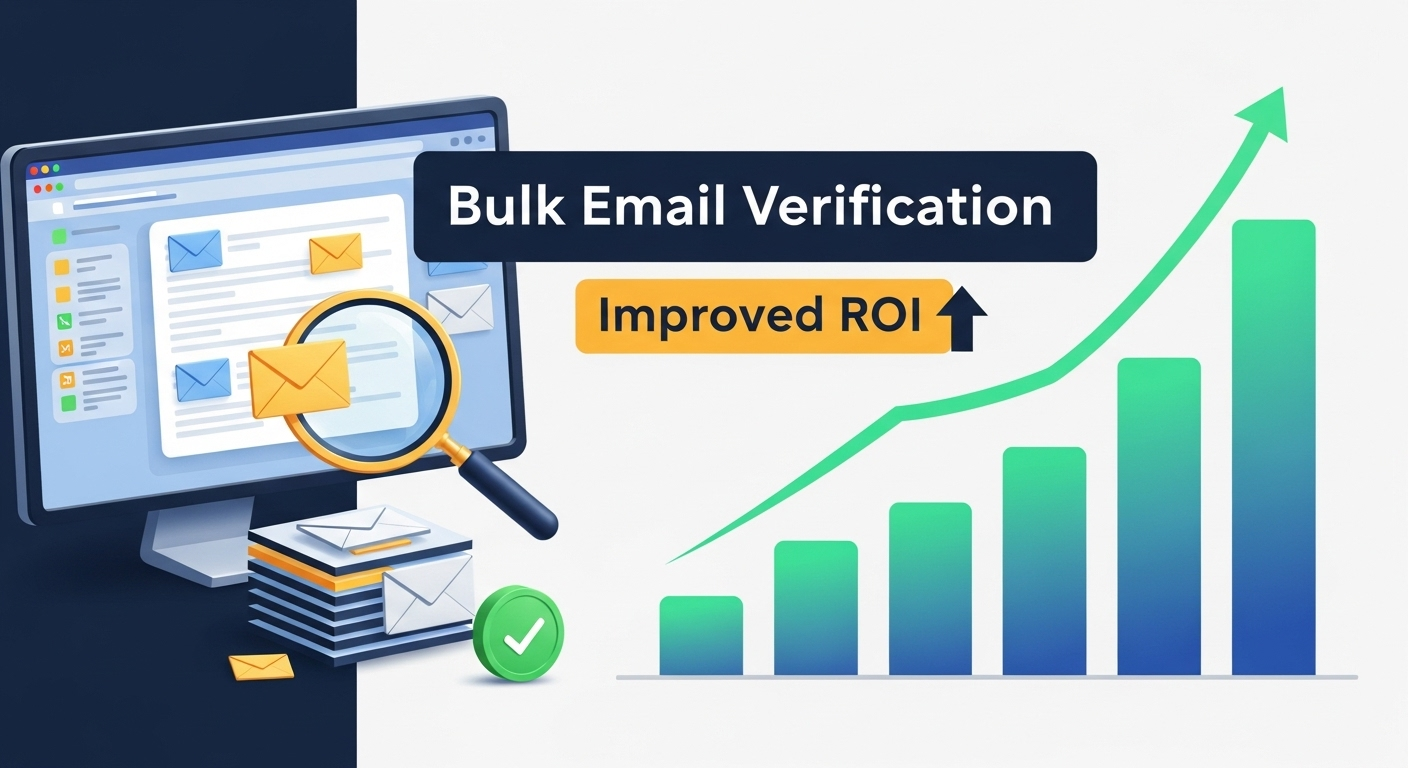
    Email marketing has the potential to drive incredible ROI for marketing agencies, but it’s often plagued by challenges like poor deliverability and high bounce rates. These issues arise from maintaining unhealthy email lists, leading to spam complaints, email blacklisting, and diminished customer engagement. The solution? Bulk email verification. By verifying email addresses in bulk before campaigns go out, businesses ensure that their emails land in inboxes, not spam folders. This improves email deliverability, builds customer trust, and ultimately boosts marketing ROI.

    Consider the case of a marketing agency struggling with low open rates and high bounce rates. After adopting bulk email verification, they were able to cleanse their list of invalid, inactive, and non-responsive email addresses. The result? A significant boost in email deliverability and an immediate reduction in bounce rates. Over time, this improved email marketing success, client satisfaction, and the agency’s ROI. Bulk email verification isn’t just a tool—it’s an essential strategy for maintaining a healthy and effective email marketing campaign.

    1. The Importance of Email Verification in Marketing

    Explanation: In the ever-evolving world of digital marketing, ensuring your emails reach your target audience is critical. Many marketers overlook the importance of email verification, assuming that sending messages to large lists without validation is a quick path to success. However, the reality is that unchecked email lists cause harm. Invalid email addresses lead to higher bounce rates, which, over time, impact sender reputation. High bounce rates can trigger spam complaints and eventually blacklisting by email service providers, severely affecting future campaigns. By integrating bulk email verification into the workflow, marketing agencies can improve deliverability, boost open rates, and avoid costly pitfalls. Proper email list hygiene also prevents the wasted effort of targeting inactive or non-engaged leads, making each campaign more efficient.


    2. How Bulk Email Verification Works

    Explanation: Bulk email verification is a process of validating email addresses in large quantities. The system checks whether email addresses are legitimate, valid, or invalid. By using specialized algorithms, the service scans for common problems like misspelled domains, expired or fake addresses, and other discrepancies. Bulk verification helps agencies by providing clean, accurate, and engaged email lists, which directly influence deliverability. A verified email list ensures that marketing messages are only sent to active users, increasing the chances of user interaction and minimizing the risk of being flagged as spam. This process helps to weed out addresses that can harm the sender’s reputation or impact ROI. Some services also go a step further by offering real-time verification, which ensures that any new addresses added to the list remain valid.


    3. The Direct Impact of Email Verification on ROI

    Explanation: For marketing agencies and businesses, the return on investment (ROI) is often tied directly to the effectiveness of their email campaigns. Bulk email verification directly impacts ROI by improving the overall effectiveness of the campaigns. By maintaining a clean and engaged list, agencies can ensure higher open rates, better engagement, and more conversions. When emails reach the inbox, they are more likely to be opened and acted upon. Additionally, verified lists reduce the chances of emails being caught in spam filters, which means more eyes on the message. With an efficient and effective email marketing strategy, agencies can prove the tangible impact of bulk email verification on their bottom line. By eliminating invalid addresses, agencies save money spent on unnecessary emails and resources, leading to a higher return on investment.


    4. Preventing Spam Complaints and Avoiding Blacklisting

    Explanation: One of the most significant consequences of not using email verification is the risk of spam complaints and blacklisting. Spam complaints not only tarnish an agency’s reputation but also decrease email deliverability in the long term. Blacklisting by internet service providers (ISPs) happens when too many emails from the same sender are marked as spam, which drastically impacts future campaign effectiveness. Bulk email verification minimizes this risk by ensuring only clean, verified addresses are targeted. By preventing the sending of emails to addresses that are likely to generate complaints, agencies maintain their reputation and ensure that their emails are welcomed by recipients. A clean list also helps build trust with email service providers, ultimately helping businesses avoid blacklisting and ensuring their email campaigns run smoothly.


    5. Real-World Case Studies: How Agencies Boosted Their Performance

    Explanation: Real-world case studies offer tangible proof of the effectiveness of bulk email verification. For instance, a digital marketing agency noticed a sharp decline in deliverability rates after sending emails to an outdated list. After implementing bulk email verification, they saw an immediate reduction in bounce rates and spam complaints. The result was a 30% increase in open rates and a 40% increase in conversions, directly impacting the agency’s ROI. Another marketing firm working with e-commerce clients reported a 25% reduction in email list maintenance costs after using email verification services. These case studies show how email verification is not just a safeguard—it’s a performance enhancer. For startups and growing businesses, these results can make a significant difference in marketing outcomes.


    6. Best Practices for Email Marketing Success

    Explanation: Maintaining email list hygiene goes beyond just verifying email addresses. Marketers should implement best practices for ongoing success. First, segmenting email lists based on engagement levels can improve targeting. Sending personalized and relevant emails increases the chances of engagement. Second, regularly cleaning the email list even after verification ensures it stays up-to-date. Third, marketers should always test campaigns before sending to a larger list. This allows them to catch any potential issues that could affect deliverability. Lastly, combining email verification with other tactics like A/B testing and analytics will enhance performance and optimize marketing strategies. By continuously improving and refining email campaigns, businesses can sustain high performance and maintain strong ROI.


    Conclusion and Recommendations

    In conclusion, bulk email verification is an essential practice for any marketing agency or startup aiming to maximize their email marketing effectiveness. By ensuring clean, verified email lists, businesses can reduce bounce rates, avoid spam complaints, and protect their sender reputation, which directly contributes to better ROI. As demonstrated, agencies that implement bulk email verification often see substantial improvements in open rates, engagement, and ultimately, conversions.

    For startup owners looking to get the most out of their marketing campaigns, adopting bulk email verification is a game-changer. Not only does it save time and resources, but it also protects your brand’s reputation. If you’re serious about growing your customer base and scaling your business, investing in email verification tools will pay off in the long run. Whether you are just starting out or scaling up, ensuring that your emails reach the right people, at the right time, is crucial. Don’t let poor email deliverability hold you back—embrace the power of email verification to prevent spam complaints, avoid blacklisting, and drive more successful campaigns. Start investing in your email marketing success today!

  • The Impact of Email Verification on a Large-Scale Cold Outreach Campaign

    The Impact of Email Verification on a Large-Scale Cold Outreach Campaign

    In the world of cold outreach campaigns, your email deliverability plays a crucial role in determining the success or failure of your efforts. Imagine spending hours crafting the perfect message, only for it to end up in the spam folder or worse, causing your domain to be blacklisted. This is a common problem faced by businesses, particularly startups and small enterprises, when they don’t prioritize email verification. Without an effective verification process, your emails risk being flagged as spam, damaging your sender reputation and ultimately ruining the impact of your marketing efforts.

    Email verification is the key to preventing these issues. By using advanced tools to clean your email list before sending out bulk emails, you not only improve the chances of your emails reaching their intended recipients but also protect your business from harmful consequences such as spam complaints and blacklisting. Email verification ensures that only valid, deliverable addresses are included in your outreach, helping you achieve higher open rates, better engagement, and most importantly, a healthier sender reputation. For startups, this is a game-changer, especially when dealing with limited resources and trying to make the most of every marketing campaign. Outline & Explanation:

    1. The Importance of Email Verification in Cold Outreach Campaigns

    Email marketing is one of the most effective ways for startups to reach potential customers, but a cold outreach campaign can easily go awry without proper list hygiene. Without verifying email addresses, businesses face a high risk of sending emails to invalid or non-existent accounts, leading to bounces and increased spam complaints. Email verification helps in cleaning your email list and ensures that you are only sending emails to valid, engaged recipients. By keeping your email list clean, you improve your sender reputation, ensuring higher deliverability rates and more successful campaigns. This section will dive into how a good email verification process works and why it’s crucial for maintaining your outreach efforts. The success of a cold outreach campaign largely depends on avoiding these pitfalls.

    2. How Email Verification Reduces Spam Complaints and Prevents Blacklisting

    One of the most common consequences of poorly executed cold outreach campaigns is the threat of spam complaints. If your emails are marked as spam, your domain’s reputation takes a hit, and over time, it can lead to blacklisting by email service providers (ESPs). Blacklisting prevents your emails from reaching inboxes altogether, causing your campaigns to fail miserably. This section will explain the relationship between spam complaints and blacklisting, how email verification can prevent this, and why startups need to be especially cautious. Email verification removes invalid or risky email addresses that could increase complaints and ensures that your emails are being sent to reliable, opt-in addresses. This proactive approach not only helps improve deliverability but also ensures you avoid the long-term consequences of being blacklisted.

    3. Reducing Bounce Rates through Email Verification

    A high bounce rate is detrimental to your email marketing efforts. Bounced emails not only harm your deliverability but also signal to ESPs that your outreach is of poor quality. Invalid email addresses are often a major contributor to bounce rates. In this section, we’ll discuss how email verification helps to eliminate hard bounces, soft bounces, and invalid addresses, ensuring your emails are delivered successfully to the inbox. By incorporating an email verification service before launching your cold outreach campaigns, you drastically reduce the risk of sending emails to invalid addresses, thereby improving your reputation with ESPs and enhancing campaign performance. This will ultimately result in better open rates, higher engagement, and increased conversions for startups.

    4. Maintaining a Positive Sender Reputation with Email Hygiene

    Your sender reputation is the lifeblood of your email marketing success. A poor reputation leads to your emails being filtered as spam, greatly diminishing the effectiveness of your outreach. Maintaining a good sender reputation requires consistent and thorough email list management, and one of the best practices is implementing email verification. By regularly verifying your email list, you ensure that it remains clean, accurate, and compliant with email best practices. In this section, we’ll outline how email verification helps you build and maintain a positive sender reputation, keeping your emails out of spam folders and ensuring higher engagement rates. Startups, in particular, will benefit from this approach as it allows them to scale their email marketing efforts without the risk of damaging their reputation.

    5. Best Practices for Email Verification and List Management

    Even with email verification, it’s essential to adopt best practices to maintain your email lists’ accuracy and health over time. In this section, we’ll explore some essential steps for ensuring continuous list hygiene, including how often to verify your email list, how to segment your lists effectively, and how to deal with email fatigue. Regular verification should be part of an ongoing strategy to improve deliverability and maintain the quality of your email campaigns. Additionally, segmenting your email list helps target the right audience and ensures that only relevant contacts are included in each campaign, reducing the likelihood of spam complaints and boosting your outreach success.

    Conclusion:

    In conclusion, email verification is an essential tool for startups looking to succeed in large-scale cold outreach campaigns. By preventing spam complaints, reducing bounce rates, and safeguarding against blacklisting, email verification ensures that your marketing efforts reach the right people and leave a positive impression. The small investment in an email verification tool pays off significantly by improving your email deliverability, enhancing your sender reputation, and ultimately driving better engagement and conversions. For startups, every email counts, and verifying your list before hitting send is a simple but powerful strategy to scale your outreach efforts successfully. We recommend implementing a robust email verification solution today to protect your sender reputation, save time, and make the most of your cold outreach campaigns. The benefits far outweigh the cost, especially when you’re striving to make every email count in the competitive market of startups and small businesses.

  • How an Email List Cleaning Strategy Saved a Business from Blacklisting

    How an Email List Cleaning Strategy Saved a Business from Blacklisting

    In the fast-paced world of digital marketing, your email list is one of the most valuable assets for customer engagement. However, failing to clean and verify that list can lead to disastrous consequences. Imagine your emails getting marked as spam, or worse, your IP address being blacklisted. This can result in a significant drop in engagement, lost sales, and irreparable damage to your reputation. Thankfully, email list cleaning services are here to ensure that your business avoids these pitfalls by removing invalid, inactive, or harmful email addresses from your list.

    A robust email verification strategy isn’t just about removing unengaged subscribers; it’s about building and maintaining a clean email list that will keep your business from blacklisting. By utilizing an email verification service, you can improve deliverability, prevent spam complaints, and protect your sender reputation. For small businesses and startups, email verification should be a non-negotiable part of your marketing strategy. If you’re ready to take control of your email marketing and avoid being blacklisted, read on to discover how email list cleaning can save your business from major setbacks.

    Article Outline

    1. The Impact of Email Blacklisting on Small Businesses

    In this section, we will discuss how blacklisting can damage a business’s reputation and hurt email marketing efforts. Small businesses, especially startups, are more vulnerable to blacklisting due to their limited resources and lack of experience in email marketing best practices. Email blacklisting occurs when email providers block a sender’s emails because they are flagged as spam, or the sender’s IP address is associated with high bounce rates or complaints. For example, if a business’s emails are consistently marked as spam or if they send emails to invalid addresses, their sender reputation deteriorates, leading to blacklisting. A blacklisted sender often faces severely reduced email deliverability, meaning their emails may not reach their audience, reducing sales, engagement, and overall brand trust.

    The best solution to avoid this is maintaining a clean email list with proper email verification. This ensures that your emails will land in inboxes rather than spam folders. We’ll also highlight real-world examples of businesses that suffered from blacklisting due to poor email list management, emphasizing how email verification services could have saved them.

    2. What is Email List Cleaning and Why It Matters?

    Email list cleaning refers to the process of verifying and removing invalid, inactive, or harmful email addresses from a mailing list. This includes removing invalid emails that no longer exist, addresses with incorrect formats, and those from users who consistently mark emails as spam. The key benefit of email list cleaning is improved deliverability and a better sender reputation. Startups, which rely on their email marketing to build customer relationships and increase sales, will benefit immensely from this practice. By ensuring that emails are only sent to engaged, valid users, businesses can see a reduction in bounce rates and spam complaints, two common issues that contribute to blacklisting.

    A well-maintained list also provides valuable insights into user behavior, allowing businesses to segment their audience more effectively and send more targeted campaigns. We will explain the steps involved in list cleaning, including email verification tools, real-time validation, and the importance of periodically updating the email database.

    3. How Email Verification Helps Prevent Spam Complaints and Blacklisting

    Email verification services play a crucial role in ensuring that your emails aren’t flagged as spam. By validating email addresses in real time, businesses can identify and filter out addresses that are likely to cause harm, such as those from spam traps or users with a history of marking emails as junk. Additionally, email verification services provide insights into the quality of email addresses in the database, offering businesses an opportunity to clean and optimize their lists proactively.

    In this section, we will go deeper into how email verification can reduce spam complaints, improve deliverability, and prevent the dreaded blacklisting. We will highlight the various tools available, such as bulk email verification, that can check thousands of email addresses in a matter of minutes. Moreover, businesses will learn how to monitor their email campaigns’ effectiveness to ensure they stay within email marketing best practices.

    4. The Benefits of Regular Email List Maintenance for Startups

    Startups often juggle numerous tasks, making email list maintenance seem like an unnecessary chore. However, neglecting this essential task can result in significant losses, from a tarnished reputation to missed opportunities. In this section, we will explain how startups can benefit from regular email list cleaning and maintenance. Regular list hygiene ensures high engagement rates, low bounce rates, and strong sender reputation. For startups trying to establish themselves, this is key for creating trust and building lasting relationships with customers.

    We will offer practical advice on how to set up automated cleaning schedules and provide examples of businesses that have successfully implemented this strategy. A well-maintained list will also allow startups to scale email marketing efforts without worrying about spam complaints or blacklisting.

    5. How to Choose the Right Email Verification Service for Your Business

    Selecting an email verification service is a crucial step in protecting your sender reputation and avoiding blacklisting. This section will guide readers through the process of choosing the right service for their business needs. Factors to consider include the accuracy of verification, integration with email marketing platforms, speed, and cost-effectiveness. We’ll explore some of the top email verification providers, comparing their features and pricing.

    Additionally, we will discuss why businesses should look for services that offer bulk email verification, real-time validation, and fraud detection. Startups, with limited marketing budgets, will find recommendations on selecting services that offer the best value for money without sacrificing quality. We will also provide insight into free trials and demo versions that allow businesses to test the service before committing.

    Conclusion and Recommendations for Startups

    In conclusion, email list cleaning and verification are not optional for businesses that rely on email marketing to grow. For startups, where resources and reputation are on the line, ensuring email deliverability and avoiding blacklisting is essential for long-term success. By implementing an email verification strategy, startups can dramatically reduce bounce rates, prevent spam complaints, and ensure that their marketing efforts reach the intended audience.

    For business owners, investing in a reliable email verification service will save time, money, and resources, while also fostering trust with customers. Regular email list maintenance is key to improving your marketing ROI and building strong, lasting relationships with your customers. We recommend opting for services that offer scalable, cost-effective solutions to suit your growing business.

    In summary, if you’re a startup looking to build your email marketing strategy, don’t wait for blacklisting or spam complaints to damage your reputation—take action today by integrating an email verification service into your business processes.

  • How a Nonprofit Organization Improved Donor Engagement with Email Verification

    How a Nonprofit Organization Improved Donor Engagement with Email Verification

    For businesses and nonprofits alike, email marketing has proven to be a powerful tool for engaging with their audience. But without a robust email verification system in place, you risk sending your messages to non-existent or unengaged recipients. This not only decreases the effectiveness of your campaigns but can also lead to higher bounce rates, spam complaints, and even blacklisting. For nonprofits, where every dollar and every donor counts, avoiding these pitfalls is crucial to sustaining your fundraising efforts.

    By using email verification services, organizations can clean their email lists, ensuring that only active, engaged subscribers receive communications. This not only improves email deliverability but also boosts open and click-through rates, ultimately enhancing donor engagement and retention. For nonprofits, email verification isn’t just about maintaining a healthy list—it’s about building trust and maintaining a strong relationship with your supporters. It’s the first step toward avoiding the damaging effects of spam complaints and blacklisting, while strengthening your organization’s credibility and outreach.

    Effective Outline for the Article:

    1. The Significance of Email Verification for Nonprofits
      Explanation:
      Nonprofits rely heavily on email marketing to engage with donors, volunteers, and supporters. When email lists are filled with invalid or outdated email addresses, the result is a higher number of bounces and spam complaints. This can damage the organization’s sender reputation and make it harder to reach supporters in the future. Email verification ensures that messages are only sent to active, valid recipients, which maximizes engagement and strengthens donor relationships. In addition, verified lists increase the chances of landing in inboxes rather than getting trapped in spam filters, which is essential for maintaining consistent communication with donors.Background story: Consider a nonprofit that regularly sent out donation requests. They noticed that their emails were no longer reaching the intended recipients. After using email verification services, they cleaned their list, resulting in a substantial increase in donations and an improved email open rate.
    2. How Spam Complaints Can Hurt Nonprofit Campaigns
      Explanation:
      Spam complaints are particularly harmful for nonprofits, as they can quickly lead to blacklisting and a tarnished reputation. If donors or potential supporters mark your emails as spam, it not only affects your open rates but can also get your domain flagged by email providers, making future communications nearly impossible. Email verification helps eliminate the risk of spam complaints by ensuring only valid, engaged recipients are receiving your emails. This reduces the chances of someone marking your email as spam, which keeps your organization’s reputation intact and allows you to maintain a strong connection with your audience.Recommendation: Nonprofits should monitor their email lists regularly and remove any invalid or risky addresses. Using an email verification service is the best way to ensure that you are only contacting supporters who want to hear from you.
    3. The Risk of Blacklisting and How Email Verification Prevents It
      Explanation:
      Email blacklisting can occur when an email service provider identifies a pattern of spam complaints or invalid email addresses coming from a specific domain. Once blacklisted, your emails will be blocked or sent to spam folders, drastically reducing your outreach potential. Nonprofits rely on trust and transparency, and being blacklisted can damage the organization’s credibility with both donors and other stakeholders. Email verification services can prevent blacklisting by proactively cleaning email lists and ensuring that messages are sent only to legitimate contacts, thus preserving your reputation and email deliverability.Background story: A nonprofit faced challenges when their email campaigns started getting flagged as spam. After integrating an email verification service, they significantly reduced bounce rates and spam complaints, allowing them to reconnect with their supporters and grow their base.
    4. How Email Verification Improves Donor Engagement and Retention
      Explanation:
      Donor engagement is critical for the ongoing success of nonprofit campaigns. By verifying emails, nonprofits ensure that their messages are reaching the right people—active donors and supporters who are genuinely interested in their mission. Verified email lists help increase open rates, which directly correlate to higher engagement and donations. When donors see that their inboxes are filled with relevant, personalized content, they are more likely to stay engaged and continue supporting the cause. This builds trust and fosters long-term relationships with supporters.Recommendation: For nonprofits, email verification is an investment in long-term donor retention. A clean email list ensures that your outreach efforts are seen by people who care about your cause, improving both engagement and conversion rates.
    5. Choosing the Right Email Verification Tool for Nonprofits
      Explanation:
      There are numerous email verification tools available, but selecting the right one is crucial for nonprofits looking to improve their email marketing campaigns. Features to look for include real-time verification, bulk list cleaning, and a user-friendly interface that integrates easily with popular email marketing platforms. Nonprofits should also consider the cost of the service, as many tools offer tiered pricing based on list size or the frequency of use. Choosing the right tool ensures that your emails are verified quickly, efficiently, and without breaking the budget.Recommendation: Nonprofits should select an email verification tool that fits their specific needs—whether it’s for small-scale campaigns or ongoing donor outreach. Look for a service that offers scalability and flexibility to grow with your organization.
    6. The Long-Term Benefits of Email Verification for Nonprofit Organizations
      Explanation:
      The long-term benefits of email verification for nonprofits extend beyond just improving email deliverability. Over time, a well-maintained email list can lead to increased donor loyalty, improved fundraising efforts, and better overall engagement with your community. By keeping your email list clean and up-to-date, you’ll ensure that your nonprofit remains visible in your supporters’ inboxes, leading to a higher likelihood of donations, event attendance, and volunteer participation. It also establishes credibility and professionalism, vital components for nonprofit growth.Background story: A nonprofit that regularly used email verification services reported a noticeable increase in repeat donors. By ensuring that their emails were always delivered to active supporters, they built a stronger, more engaged donor base.

    Conclusion & Recommendations for Startups:

    For nonprofits, maintaining a clean and effective email list is essential for donor engagement, retention, and fundraising success. Email verification services ensure that your messages are reaching the right people, reduce the risk of spam complaints, and help protect your organization’s reputation. By investing in email verification, nonprofits can foster stronger relationships with supporters, increase their email open rates, and improve their overall campaign success.

    Recommendation: Nonprofits should implement email verification as a regular part of their email marketing strategy. Not only will this improve donor engagement, but it will also help avoid the costly pitfalls of blacklisting and damaged reputations. A verified email list is an investment in the long-term success of any nonprofit, ensuring that your outreach efforts are effective and impactful.

  • Why a Fortune 500 Company Invested in Email Verification & What They Gained

    Why a Fortune 500 Company Invested in Email Verification & What They Gained

    In the fast-paced world of digital marketing, maintaining a clean and verified email list is crucial to the success of any campaign. While smaller businesses often focus on the basics of email marketing, large enterprises, such as Fortune 500 companies, understand that email verification is a critical strategy for safeguarding their reputation. A Fortune 500 company recently invested in email verification, and the results speak for themselves: improved email deliverability, reduced spam complaints, and a significant boost in ROI. By ensuring their email lists are free of invalid addresses and potential spam traps, these companies are optimizing their marketing efforts and preserving their standing with email service providers.

    The decision to invest in email verification is not just about preventing negative outcomes like blacklisting; it’s about creating an efficient and effective email marketing ecosystem that leads to better engagement and higher conversion rates. For small startups and growing businesses, adopting email verification early on can lead to similar benefits. In this article, we will explore how email verification prevents spam complaints and blacklisting, offering real-world insights and strategies that can be applied to businesses of any size. Stay tuned to learn why email verification is an investment worth making.

    Outline for the Article:

    I. Introduction to Email Verification and Its Importance

    • Email verification is the process of ensuring that email addresses on your list are valid, deliverable, and free of errors. This process can include checking syntax, domain validity, and whether the email is associated with known spam traps or disposable domains.
    • The importance of email verification lies in its ability to reduce bounce rates, prevent spam complaints, and avoid the negative consequences of blacklisting. For large corporations like Fortune 500 companies, investing in this process is crucial to maintaining a strong sender reputation and maximizing the effectiveness of email campaigns.
    • Explanation: Email deliverability is a core factor for the success of email marketing. By investing in email verification, enterprises ensure their emails reach their intended audience, reduce the risk of being marked as spam, and safeguard their overall marketing efforts. Without this step, even the most well-crafted emails can fall victim to filtering algorithms or spam traps.

    II. Case Study: A Fortune 500 Company’s Investment in Email Verification

    • A Fortune 500 company faced issues with low email engagement and a rise in spam complaints, which eventually led to their email campaigns being throttled by major ISPs. After researching the issue, they decided to implement email verification across their entire email marketing strategy.
    • After integrating email verification, the company experienced a dramatic increase in email deliverability, leading to higher open rates, reduced bounce rates, and fewer instances of being marked as spam. The investment paid off by ensuring that emails reached valid, interested recipients, and their brand reputation remained intact.
    • Explanation: This case study highlights how critical it is for large organizations to verify their email lists. For smaller businesses and startups, the lessons from this investment can be equally valuable. With limited resources and brand equity to protect, ensuring the health of your email list is a wise investment to avoid costly marketing mistakes.

    III. The Risks of Ignoring Email Verification

    • Failing to verify email lists can lead to disastrous consequences for any business. Invalid email addresses and spam traps can damage your sender reputation, causing emails to end up in spam folders or, worse, triggering blacklisting by major email providers.
    • For a large company, this could mean losing access to a significant portion of their customer base and damaging relationships with prospects. For smaller startups, these risks are equally severe, especially as they strive to build trust and recognition in the market.
    • Explanation: Ignoring email verification is a risk that can have long-term effects. A single instance of blacklisting can take months to resolve, leading to delays, loss of revenue, and a tarnished reputation. Startups should take proactive steps to safeguard their email campaigns, starting with regular email list verification and careful segmentation.

    IV. How Email Verification Improves Deliverability and Engagement (

    • Email verification plays a key role in improving deliverability by eliminating invalid and irrelevant addresses from your list. Verified email addresses are more likely to be engaged with and, thus, improve your open and click-through rates.
    • By ensuring that your emails reach the intended recipients, you create a better user experience, increase the chances of conversions, and improve the effectiveness of your campaigns. Email verification also minimizes the risk of high bounce rates, which can impact your sender reputation negatively.
    • Explanation: With verified lists, businesses of any size can focus on sending relevant content to those who want it most. For small startups, this means their marketing dollars go further, increasing the likelihood of a positive ROI. By investing in email verification, you unlock the potential for more efficient, high-performing email campaigns.

    V. The Connection Between Email Verification and Blacklisting Prevention

    • Blacklisting occurs when your emails are marked as spam by a large volume of recipients or when you send emails to invalid addresses that trigger spam filters. This can have a devastating impact on email marketing efforts, leading to reduced visibility and engagement.
    • By regularly verifying your email list, you ensure that invalid, inactive, and disposable addresses are removed, reducing the likelihood of being flagged by spam filters and blacklisted by email service providers.
    • Explanation: Blacklisting is a risk that all businesses, from Fortune 500 companies to small startups, must take seriously. Email verification is one of the most effective ways to prevent blacklisting. By maintaining a clean list, you not only improve deliverability but also protect your sender reputation. For startups, avoiding blacklisting means more successful email campaigns and an enhanced chance for growth.

    VI. How to Implement Email Verification in Your Marketing Strategy

    • Implementing email verification into your marketing strategy involves choosing a reputable verification service, integrating it into your email platform, and continuously cleaning your email list to ensure it remains up-to-date.
    • Look for verification tools that can handle large lists, check for disposable email addresses, and integrate smoothly with your existing marketing automation software.
    • Explanation: The process is simple and scalable. For small startups, investing in email verification can be a game-changer for email marketing campaigns. As your business grows, your email list grows, and verification helps you maintain quality while avoiding issues like bounce rates or blacklisting. Choose a service that is cost-effective, reliable, and aligned with your long-term marketing goals.

    Conclusion with Recommendations

    For startups and small businesses, email verification is more than just a precaution—it’s an investment in the success and longevity of your email marketing efforts. The example of the Fortune 500 company demonstrates how email verification can drastically improve deliverability, prevent blacklisting, and protect your reputation. For startups, the stakes are equally high. With limited resources and a growing brand to protect, maintaining a clean email list is vital to ensuring your marketing campaigns thrive.

    Startups should invest in email verification services that help clean their email lists, ensuring that every contact is a potential lead rather than a liability. By regularly verifying emails and implementing best practices like list segmentation, businesses can avoid spam complaints, improve engagement, and see a higher return on their email marketing efforts. For any startup looking to scale, email verification is not a luxury—it’s a necessity. With the right tools in place, your marketing campaigns will reach the right audience, driving conversions and fostering long-term growth.

  • How a Blogger Grew Their Audience Using Email List Cleaning

    How a Blogger Grew Their Audience Using Email List Cleaning

    Email marketing is one of the most powerful ways to connect with your audience, especially for bloggers looking to grow their readership. But with an ever-growing list of subscribers, many bloggers often face the challenge of maintaining an engaged, active audience. One of the most overlooked steps in this process is email list cleaning, which can make a significant difference in engagement and growth. Regularly cleaning your email list to remove invalid or inactive subscribers not only improves your open and click-through rates but also protects your reputation as a sender.

    A clean email list is essential for bloggers looking to build a meaningful connection with their readers. Without it, you risk sending messages to subscribers who are no longer interested, damaging your engagement rates, and even facing spam complaints. In this article, we’ll explore how bloggers can grow their audience and improve email marketing success by utilizing email verification services. By investing in email list cleaning, you ensure your emails reach the right audience, boosting engagement and enhancing your credibility with both readers and email service providers.Outline for the Article

    1. Why Email List Cleaning is Critical for Bloggers

    For bloggers, email marketing is more than just a tool to share posts; it’s a direct way to connect with readers, build relationships, and drive traffic to your site. However, as your list grows, it’s easy to accumulate inactive subscribers. These are people who may have subscribed at one point but no longer engage with your content. These subscribers can lower your engagement rates and impact your blog’s performance. Email list cleaning is vital for bloggers because it helps remove inactive, invalid, or non-existent email addresses.

    Email verification services ensure that you only send emails to engaged subscribers who are genuinely interested in your content. This not only improves your open rates and click-through rates but also protects your sender reputation. By cleaning your email list, you eliminate potential spam traps and reduce the likelihood of your emails being marked as spam. For bloggers, maintaining a clean email list ensures that your campaigns reach their full potential, helping you stay connected to your audience while improving overall campaign performance.

    2. How Email List Cleaning Boosts Engagement and Growth

    Bloggers often struggle to maintain engagement with their email subscribers, especially when they don’t actively manage their email list. By cleaning your list, you ensure that you’re only sending emails to active, interested readers, which ultimately boosts your engagement rates. When subscribers consistently open and interact with your emails, email service providers like Gmail or Outlook see you as a trusted sender, which increases your chances of landing in the inbox instead of the spam folder.

    Additionally, cleaning your list by removing non-engaged subscribers allows you to tailor your content and offers to the people who are more likely to engage. When you send highly relevant content to an active group, your chances of getting clicks, shares, and conversions increase. For bloggers, cleaning your email list regularly means higher-quality engagement and more growth opportunities as you focus your efforts on people who truly want to hear from you.

    3. The Role of Email Verification in Preventing Spam Complaints

    Spam complaints can seriously harm a blogger’s sender reputation. If too many recipients mark your emails as spam, email service providers may block your emails, or even blacklist your domain, making it nearly impossible for your messages to reach subscribers. One of the easiest ways to avoid spam complaints is by regularly cleaning your email list with email verification services. These tools check for invalid, unengaged, or risky email addresses before you send out your campaigns, preventing messages from being flagged as spam.

    Email verification helps identify problem email addresses before they impact your campaigns. It can catch common issues like fake or disposable email addresses, which are often used to sign up for newsletters but are rarely checked. By verifying your email list, bloggers can ensure they are only communicating with valid and engaged subscribers. This reduces the chance of spam complaints and helps maintain a good relationship with both subscribers and email service providers, improving long-term deliverability and reputation.

    4. How to Build and Grow a Subscriber Base Through List Cleaning

    List cleaning isn’t just about removing inactive subscribers; it’s also about ensuring your subscribers are the right fit for your content. By leveraging email verification tools, bloggers can clean their email lists by removing low-quality contacts and focusing on subscribers who engage with their content. This process helps build a highly targeted audience that is more likely to open your emails, click on links, and take action.

    Another benefit of maintaining a clean email list is the ability to segment your audience effectively. By separating engaged subscribers from those who are less active, you can create personalized, targeted email campaigns that resonate more with your readers. This personalized approach not only leads to better engagement but also increases the chances of growing your subscriber base. As you continue to clean your list and focus on active subscribers, your email campaigns become more effective, ultimately leading to long-term growth and success.

    5. Best Practices for Email List Hygiene and Ongoing Cleaning

    Maintaining a clean email list is an ongoing effort, and bloggers need to be proactive in their email list hygiene. Best practices include regularly checking for invalid, bounced, or unsubscribed emails and removing them from your list. It’s also important to look out for email addresses that haven’t engaged in a while, as these may contribute to low open rates and spam complaints. Many email marketing services offer built-in tools to help clean and manage your list automatically, saving you time and effort.

    In addition to using email verification tools, bloggers should encourage active engagement by asking subscribers to update their preferences or interests. This keeps your email list up to date and ensures that your content remains relevant to your audience. Another important practice is ensuring you comply with GDPR and other email marketing laws by allowing users to easily unsubscribe or update their email preferences. Regularly maintaining your email list not only improves your email campaigns but also builds trust with your readers, helping to grow your audience over time.

    Conclusion & Recommendations

    In conclusion, email verification and list cleaning are crucial for bloggers who want to ensure their email campaigns are effective, engaged, and free from spam complaints. By removing inactive, invalid, or risky email addresses, you protect your sender reputation, improve engagement rates, and increase the chances of growing your subscriber base. For bloggers, investing in email list cleaning services is an investment in the future of your email marketing success.

    For small startup owners or bloggers, regularly cleaning your email list is a game-changer. It enables you to focus your efforts on subscribers who truly care about your content, improving your ROI and long-term success. To maximize your email campaign performance and avoid the risks of blacklisting or poor engagement, consider incorporating email verification into your strategy. This ensures your messages reach the right audience, keeping your blog and business in a strong position for growth.

  • How Email Verification Helped a Startup Scale Its Email Marketing Efforts

    How Email Verification Helped a Startup Scale Its Email Marketing Efforts

    For small startups, email marketing is a powerful tool for growth—but only if your messages actually reach your audience. The success of your campaigns hinges on your email list’s health, and this is where email verification plays a pivotal role. By ensuring your emails are delivered to valid, active recipients, email verification helps startups avoid costly mistakes like high bounce rates, spam complaints, and blacklisting, which can severely damage your sender reputation.

    In an increasingly competitive digital landscape, startups can’t afford to waste resources on ineffective email campaigns. With email verification services, startups can clean and optimize their email lists, making sure they’re communicating with engaged customers who are more likely to convert. This not only protects your brand’s reputation but also improves your chances for higher open rates, click-throughs, and overall campaign success. By using email verification as part of your strategy, you can create more targeted, effective, and personalized campaigns—ensuring that your email marketing efforts are not only seen but also generate the best possible results.

    Effective Article Outline

    1. The Basics of Email Verification: Why Startups Need It (200 words)

    Every startup with an email marketing strategy needs to understand the critical role of email verification. Email verification is the process of checking whether an email address is valid, active, and correctly formatted. For startups, maintaining a clean email list ensures your messages reach the right audience and prevents potential deliverability issues. Invalid email addresses, such as those from deactivated accounts or misspelled addresses, can lead to high bounce rates, which in turn can negatively affect your email sender reputation. By verifying emails before sending out campaigns, you’re investing in your startup’s email success.

    For small businesses or startups, a clean email list is especially important. Poor email hygiene can lead to spam complaints, blacklisting by email service providers (ESPs), and reduced engagement. Email verification tools help identify and remove invalid, disposable, or incorrect emails, ensuring that your marketing communications are being delivered to those who are most likely to engage with your content. The result? Higher open rates, fewer complaints, and an overall more successful email marketing campaign. This process is essential for startups to scale effectively while protecting their reputation.

    2. How Email Verification Prevents Spam Complaints (200 words)

    Spam complaints can severely hinder the success of email marketing campaigns, especially for startups. When a recipient marks an email as spam, it not only impacts the email’s deliverability but also tarnishes the sender’s reputation. The more spam complaints you receive, the more likely your future emails will be filtered out as unwanted by email service providers (ESPs). This results in lower open rates, reduced trust, and diminished customer relationships.

    Email verification helps prevent spam complaints by ensuring that your emails are only sent to valid, engaged recipients. By cleaning up your email list and removing inactive or unresponsive addresses, you reduce the chances that recipients who don’t know your brand or aren’t interested in your product will flag your messages as spam. With a verified list, your emails are more likely to reach recipients who have opted in and expect your content, making them more likely to engage with your messages rather than mark them as spam.

    For startups, this is particularly crucial. Without an established reputation or large mailing list, maintaining a clean, engaged audience through email verification ensures that your email marketing efforts will have a positive impact, helping you grow while avoiding the pitfalls of spam complaints.

    3. The Dangers of Blacklisting and How Verification Helps (200 words)

    Blacklisting is one of the worst nightmares for any email marketer, especially for startups. When you are blacklisted, your emails are flagged by major email service providers (ESPs) as spam, meaning your messages won’t even reach your target audience. This can result in drastically reduced email deliverability, low engagement, and a tarnished sender reputation. Startups without a robust email verification process are more likely to find themselves on blacklists due to high bounce rates or spam complaints.

    Email verification plays a crucial role in preventing blacklisting by filtering out invalid email addresses from your lists before you send any campaigns. This not only reduces bounce rates but also helps to ensure that your emails are reaching the right recipients, minimizing the risk of triggering spam filters. By using email verification regularly, startups can avoid the disastrous consequences of blacklisting, maintain a good relationship with ESPs, and ensure their emails land in inboxes rather than spam folders.

    For startups looking to scale quickly, preventing blacklisting is vital. By ensuring email hygiene through email verification, businesses can focus on crafting great content, engaging with their audience, and growing their customer base without worrying about being penalized by ESPs.

    4. Boosting Engagement and Conversion with Verified Email Lists (200 words)

    For startups, the ultimate goal of email marketing is to engage with potential customers and drive conversions. To achieve this, it’s essential that your emails reach the right audience, and this is where email verification plays a critical role. By ensuring your email lists are up-to-date and accurate, you guarantee that your messages are reaching recipients who are interested in what you have to offer.

    When you send emails to invalid or outdated addresses, you waste resources and potentially harm your sender reputation. On the other hand, email verification ensures that your emails are sent to active, engaged users who are more likely to open, click, and convert. Verified email lists help segment your audience effectively, so you can send tailored, personalized content that resonates with recipients. This leads to higher click-through rates (CTR), better engagement, and, ultimately, increased conversions.

    For startups with limited resources, email verification is a cost-effective way to maximize ROI. It ensures that every email you send is part of a targeted, optimized campaign. By validating your email list, you avoid the risk of sending to disinterested or unqualified leads, allowing you to focus your efforts on nurturing relationships with customers who matter most.

    5. Best Practices for Email Verification in Startups (200 words)

    Startups need to implement best practices to get the most out of email verification and optimize their email marketing efforts. Here are a few recommendations to ensure your email campaigns are successful:

    1. Regular List Cleaning: Don’t wait until your bounce rates spike—verify your email lists on a regular basis. This ensures that your list stays healthy and that you are always sending to active, engaged recipients.
    2. Use Reliable Email Verification Tools: Choose a reputable email verification service to ensure accurate results. These tools should detect invalid, disposable, and temporary email addresses and remove them before you hit send.
    3. Segment Your Lists: Email verification isn’t just about removing bad addresses. It also allows you to segment your lists more effectively by identifying engaged and unengaged users. This way, you can send tailored messages to the right audience.
    4. Test Your Emails: Before sending bulk emails, use a testing service to ensure that your emails won’t be flagged as spam. Verification tools help you monitor your email’s reputation score, ensuring that your emails aren’t mistakenly marked as unwanted.

    By following these best practices, startups can ensure that their email marketing efforts remain effective, increase engagement, and build strong relationships with their customers.

    Conclusion

    In conclusion, email verification is not just a technical task—it’s a vital component of a successful email marketing strategy for startups. It helps ensure that your emails reach the right audience, prevents costly mistakes like spam complaints and blacklisting, and ultimately boosts engagement and conversions. For small businesses and startups trying to scale, maintaining a clean and verified email list is essential to avoid reputational damage and wasted resources.

    For startup owners looking to scale their email marketing efforts, we recommend investing in a reliable email verification service that can keep your lists clean and your sender reputation intact. Email verification ensures that every message you send has the highest chance of reaching a receptive, engaged audience. This leads to better open rates, improved customer relationships, and a higher likelihood of converting leads into loyal customers.

    By integrating email verification into your email marketing strategy, you not only improve deliverability but also ensure the long-term success of your campaigns. Startups should view email verification as a critical tool that maximizes ROI, improves deliverability, and drives customer engagement. Protect your brand, streamline your campaigns, and scale your business with the power of email verification today.