Tag: email hygiene

  • How to Remove Spam Complaints from Your Email List

    How to Remove Spam Complaints from Your Email List

    In today’s email marketing landscape, your reputation is everything. A single spam complaint or an improperly managed email list can trigger a series of unfortunate events, such as being blacklisted by email service providers or facing reduced email deliverability. This is where email verification services come into play. They are essential for maintaining a clean, engaged email list, ensuring that you’re only reaching the right recipients with your marketing campaigns.

    For businesses, particularly startups, keeping spam complaints at bay is critical. A clean list means better engagement, higher open rates, and, ultimately, more conversions. In this article, we’ll dive into how email verification works, its role in preventing spam complaints, and the best strategies to protect your email reputation.

    1. Understanding Spam Complaints and How They Affect Your Email Campaigns

    Spam complaints occur when recipients mark your emails as spam, leading to significant repercussions. Even one spam complaint can hurt your sender reputation, which is a crucial factor in email deliverability. As email service providers (ESPs) track these complaints, a high rate can lead to blacklisting, causing your emails to be directed straight to spam folders—or worse, being blocked entirely.

    The long-term effects of spam complaints include decreased open rates, engagement, and, ultimately, fewer conversions. For startups or small business owners, these negative impacts can significantly hinder growth and outreach efforts. Understanding how spam complaints occur and their consequences is the first step toward mitigating them. Using an email verification service allows you to identify problematic addresses, removing them before they even receive your emails.

    2. How Email Verification Works to Prevent Spam Complaints

    Email verification is a process that identifies and removes invalid, fake, or problematic email addresses from your list. It checks for issues like disposable email addresses, invalid syntax, or blacklisted domains. By regularly using an email verification tool, you can ensure that only valid and legitimate contacts receive your emails. This significantly reduces the chances of being flagged for spam.

    Email verification services analyze email lists for any potential red flags, such as high-risk domains or blacklisted addresses. By removing these problematic contacts, you not only avoid spam complaints but also ensure that your emails reach active subscribers who are interested in your content. For businesses and startups, this simple yet powerful practice improves deliverability, enhances engagement, and keeps your email reputation intact. The result? Fewer complaints and a greater chance of landing in the inbox, rather than the spam folder.

    3. The Consequences of Blacklisting and How to Avoid It

    Blacklisting occurs when email service providers (ESPs) or third-party organizations mark your sending domain or IP address as a source of spam. Once you’re blacklisted, emails from your domain may be blocked or sent directly to the spam folder, severely damaging your email marketing efforts. Startups are especially vulnerable to blacklisting, as they might not yet have built a robust sender reputation.

    Regular email verification is key to avoiding blacklisting. By removing invalid or risky addresses from your list, you decrease the likelihood of triggering spam complaints, which could lead to blacklisting. Additionally, using a dedicated email service provider with a good reputation can help safeguard your sending domain. Make sure to monitor your sender reputation and take proactive steps to maintain it. Regular email list maintenance can prevent you from facing the severe consequences of blacklisting.

    4. Best Practices for Maintaining a Healthy Email List

    Maintaining a healthy email list goes beyond just email verification. It involves several best practices to ensure that you’re sending emails to the right people, at the right time. Start by segmenting your list based on user behavior, interests, and engagement history. This allows you to send targeted, relevant emails that recipients are more likely to engage with, reducing the likelihood of them marking your messages as spam.

    Regularly clean your email list by removing inactive subscribers and invalid addresses. It’s also essential to ask for permission before sending marketing emails, to ensure compliance with laws like the CAN-SPAM Act or GDPR. By respecting privacy and offering value in your communications, you can create a stronger bond with your subscribers. These efforts collectively improve your sender reputation, reduce spam complaints, and maintain high email deliverability.

    5. The Role of a Good Email Verification Service for Startups

    For startups and small businesses, time and resources are often limited. Leveraging a professional email verification service can streamline the list-cleaning process, saving you valuable time and ensuring accuracy. These services offer real-time verification, flagging potential issues before they become problems. They also provide detailed reports, so you can make informed decisions about which contacts to keep on your list.

    A good email verification service can help you scale your email marketing efforts safely, without the risk of encountering spam complaints or blacklisting. Many services offer batch processing, allowing you to clean large email lists quickly. Additionally, some services include features like fraud detection, which can help prevent malicious actors from entering your database in the first place.

    6. Building an Email Marketing Strategy That Minimizes Spam Complaints

    Once you’ve verified your email list and cleaned up any problem addresses, it’s time to build a strategy that minimizes the chances of future spam complaints. Start by focusing on personalization and relevance in your emails. Tailoring your messages to the recipient’s interests will help you build trust and encourage engagement, which in turn reduces the likelihood of your emails being flagged as spam.

    Another key factor is frequency. Sending too many emails, especially to recipients who haven’t engaged with your content recently, can increase the chances of complaints. Establish a consistent sending schedule, but avoid overwhelming your subscribers. Keep your content valuable, and always provide an easy way for subscribers to opt-out if they choose to.

    7. Conclusion: Recommendations for Startups and Best Practices for Email Success

    To sum up, email verification is an essential part of any email marketing strategy, especially for startups. By removing invalid addresses, preventing spam complaints, and avoiding blacklisting, you improve your email deliverability and boost engagement. For startups, a clean email list is one of the most powerful tools for growing your business.

    For optimal success, incorporate regular email list cleaning, personalization, and strategic sending into your campaigns. Invest in a reliable email verification service to ensure the best results. Startups should focus on building relationships with subscribers through relevant, valuable content, reducing the chances of complaints and increasing their chances of success in email marketing.

  • The Best Time to Send Emails for Maximum Engagement

    The Best Time to Send Emails for Maximum Engagement

    In today’s digital landscape, email marketing has emerged as one of the most effective ways for businesses to reach their audience. However, sending emails without a reliable verification system can lead to numerous challenges, including high bounce rates, spam complaints, and the possibility of being blacklisted. These issues can undermine your marketing efforts, tarnish your reputation, and limit your reach.

    Email verification is more than just a best practice—it’s an essential strategy for ensuring that your messages land in the right inboxes. By using a verification service, businesses can remove invalid or inactive email addresses from their lists, reducing bounce rates and improving deliverability. More importantly, it helps avoid triggering spam filters and prevents being flagged by email providers, which can lead to your domain being blacklisted. For small startups and business owners, this is crucial in maintaining a healthy email list and achieving greater engagement with customers.

    Effective Outline for the Article:

    1. The Importance of Email Verification in Marketing
      Explanation:
      When sending marketing emails, the goal is not just to deliver but to engage. Email verification plays a critical role in ensuring that the emails you send are being received by valid, active accounts. A clean, verified email list increases your chances of reaching your audience, and it also enhances your email marketing campaign’s overall effectiveness. Invalid addresses can bounce, hurt your sender reputation, and increase the likelihood of your emails being flagged as spam. For startups, who are often operating on smaller budgets, having a trusted email verification system ensures that marketing investments are maximized.Background story: Imagine you’re a startup owner sending emails to 1,000 potential customers. Without proper email verification, you’re likely wasting a significant portion of your email sends on non-existent or inactive email addresses. With verified emails, you ensure that your messages land where they matter, and you increase the chances of achieving your marketing goals.
    2. How Spam Complaints Impact Your Email Deliverability
      Explanation:
      Spam complaints can have a serious negative impact on your email campaigns. If recipients mark your emails as spam, email service providers take notice and may flag your future messages as potential spam. This not only diminishes your engagement rate but could also result in your domain being blacklisted, which means your emails will no longer reach any inboxes—regardless of the content or value they provide. Email verification helps mitigate this risk by ensuring that only real, engaged recipients are on your email list, dramatically reducing the chances of spam complaints.Recommendation: Startups should regularly clean their email lists to avoid potential spam complaints. Using email verification tools that check for invalid, inactive, or high-risk email addresses can prevent this from becoming an issue.
    3. The Risk of Blacklisting and How Email Verification Can Help
      Explanation:
      Email blacklisting occurs when an email service provider or a third-party blacklisting organization flags your domain or IP address as a source of spam. Once blacklisted, your emails will be automatically directed to spam folders or rejected entirely by email service providers. This can significantly damage your ability to connect with your audience and hinder future campaigns. Email verification reduces the likelihood of blacklisting by identifying and eliminating risky or invalid email addresses from your list before they can trigger spam complaints or harm your sender reputation.Background story: A small startup once relied on an unverified email list and quickly found their sender reputation plummeting. After using an email verification service, they were able to remove invalid addresses and regain their email deliverability. This change led to improved customer engagement and fewer complaints.
    4. How Email Verification Improves Engagement and Conversion Rates
      Explanation:
      A verified email list ensures that your message is going to people who genuinely want to hear from you. This not only boosts email open rates but also leads to higher click-through rates (CTR), engagement, and ultimately, conversions. The quality of your email list directly correlates with the success of your email campaigns. By using email verification services, you remove the noise and focus on sending emails to active and relevant subscribers. For startups, this means better ROI on email campaigns with improved engagement and increased revenue.Recommendation: Small businesses should invest in email verification not only for deliverability but for the long-term health of their marketing efforts. Ensuring that every email sent is aimed at an active subscriber is crucial for sustained growth.
    5. Email Verification Tools: Choosing the Right One for Your Startup
      Explanation:
      Not all email verification tools are created equal. The right tool for your startup will depend on the size of your email list, your specific needs, and your budget. There are various email verification services available in the market that offer a range of features, from basic list cleaning to more advanced tools that check for engagement signals and potential spam traps. It’s important to research and select a tool that provides a thorough verification process, real-time results, and a user-friendly interface.Recommendation: Startups should prioritize email verification services that offer scalable solutions as their email list grows. Many services offer pricing based on usage, so choose one that fits your current and future needs.
    6. The Financial and Brand Benefits of Email Verification
      Explanation:
      Email verification not only saves money by reducing bounce rates and improving the overall efficiency of your email campaigns, but it also safeguards your brand’s reputation. By ensuring that your emails don’t end up in spam folders and that your IP and domain remain in good standing, you maintain a trusted relationship with your subscribers. This, in turn, increases the likelihood of customer retention, referrals, and positive brand recognition. For a startup, these benefits are invaluable as they work to build a solid customer base and a strong online presence.Background story: A startup faced a series of blacklisting issues, which cost them lost sales and brand damage. After adopting an email verification solution, their email performance skyrocketed, and they regained customer trust. This investment paid off long-term.

    Conclusion & Recommendations for Startups:

    For small startups and business owners looking to optimize their email marketing strategies, email verification is not just an option—it’s a necessity. By ensuring your emails are reaching valid, engaged recipients, you’ll reduce the risk of spam complaints, avoid blacklisting, and improve your email deliverability. Most importantly, your customers will appreciate the relevance and quality of your messages, leading to greater engagement and conversions.

    Recommendation: Startups should make email verification a part of their regular email marketing routine. Choose a reliable verification service that fits your needs, and ensure you clean your email list regularly. This small investment will pay off with better email performance, higher engagement rates, and ultimately, improved sales and brand reputation.

  • How to Segment Your Email List for Better Marketing Results

    How to Segment Your Email List for Better Marketing Results

    In today’s digital marketing landscape, email remains one of the most powerful tools for businesses to reach and engage their target audience. However, if your email list is cluttered with invalid or low-quality addresses, your campaigns risk being labeled as spam. This not only hurts your reputation but could lead to blacklisting by email providers. That’s where email verification comes in—ensuring that your email list is clean, accurate, and optimized for engagement.

    By using email verification services, businesses can improve their email deliverability, prevent spam complaints, and safeguard their brand’s credibility. Not only does this enhance the customer experience by ensuring that emails reach the right inbox, but it also maximizes the effectiveness of your email campaigns. For small startups and businesses, every email counts. Ensuring your list is properly segmented and verified can lead to higher conversion rates, better ROI, and stronger customer relationships. In this article, we’ll explore how email verification works, how it prevents blacklisting, and the best practices for building a clean, targeted email list that yields better marketing results.

    Outline for the Article:

    I. Introduction to Email Verification

    • Email verification is a process that ensures the email addresses on your list are valid and deliverable. This service helps in eliminating invalid, disposable, or non-existent email addresses, which could harm your email deliverability and sender reputation.
    • A clean email list is essential for effective email marketing, as it improves the chances of emails reaching intended recipients while preventing your messages from being marked as spam or triggering blacklisting issues.
    • Explanation: Email providers use algorithms to assess the quality of emails they deliver. If your email campaigns have a high bounce rate or a substantial number of spam complaints, your domain could get blacklisted, damaging your brand’s reputation.

    II. How Email Verification Helps Prevent Spam Complaints

    • Spam complaints occur when recipients mark your emails as unwanted or unsolicited. When this happens, email providers track these complaints and may flag your domain as a source of spam.
    • By verifying email addresses before sending, you ensure that you’re only emailing individuals who have valid, active addresses and who are more likely to engage with your content.
    • Explanation: Low engagement or high spam complaints can reduce deliverability rates and result in your emails being filtered to spam folders. Verification minimizes the risk of complaints and protects your brand’s standing.

    III. Impact of Blacklisting on Your Email Marketing

    • Being blacklisted means that your emails will be blocked by email service providers (ESPs), which can dramatically lower your ability to reach potential customers. Blacklisting occurs when your sending reputation is damaged due to spam reports or poor list hygiene.
    • A key factor that contributes to blacklisting is the sending of emails to invalid or inactive addresses, which negatively impacts your bounce rate and sender score.
    • Explanation: Blacklisted email accounts hurt your ability to connect with customers and prospects. Recovering from a blacklist can be a time-consuming process, and email verification helps avoid this critical issue by ensuring emails only go to deliverable addresses.

    IV. The Role of Email Segmentation in Improving Results

    • Email segmentation involves categorizing your email list based on different criteria, such as location, interests, or behavior, to send personalized content that resonates with each group.
    • When combined with email verification, segmentation ensures that you are not only reaching the right audience but also engaging them with tailored, relevant content.
    • Explanation: A verified and segmented email list improves the overall performance of campaigns, from open rates to click-through rates, leading to better customer relationships and higher conversion rates. This is essential for businesses looking to grow their customer base and enhance marketing ROI.

    V. Best Practices for Email Verification and Segmentation

    • Best practices for email verification include using a reliable verification tool that checks for both syntax errors and domain-level issues, and regularly cleaning your list to remove inactive addresses.
    • For segmentation, ensure you are regularly analyzing customer behavior and preferences to build groups that will find your emails relevant. Avoid sending blanket emails to your entire list; instead, tailor your content to meet the specific needs of each segment.
    • Explanation: Regularly cleaning your email list and effectively segmenting it results in fewer unsubscribes, better engagement, and improved overall campaign performance. Startups should focus on these practices to create targeted, high-performing campaigns.

    VI. How to Choose an Email Verification Service

    • Selecting the right email verification service is key to maintaining a clean email list. Look for services that provide real-time verification, a comprehensive set of checks (syntax, domain, and MX records), and ease of integration with your email marketing platform.
    • Features like bulk verification, the ability to validate disposable addresses, and a high accuracy rate are essential in preventing invalid addresses from entering your list.
    • Explanation: Choose a service that suits your business size and needs. For startups, finding a cost-effective, efficient solution that scales with your growth can ensure smooth email marketing operations without the worry of deliverability issues.

    Conclusion with Recommendations

    For startup owners, effective email marketing is an indispensable part of growth, but sending to an unclean list can quickly derail your efforts. Email verification not only helps you avoid the perils of spam complaints and blacklisting but also improves the overall health of your email campaigns. By investing in email verification services and adopting segmentation strategies, you can significantly enhance your email marketing ROI.

    Startups and small businesses should prioritize building a verified, segmented email list to ensure maximum engagement and reach. Don’t let poor list hygiene damage your brand’s reputation. Use email verification to clean your list and implement segmentation for more personalized, effective campaigns. For best results, choose a reputable email verification service that aligns with your business needs and scale your marketing efforts with confidence.

  • How to Re-Engage Inactive Email Subscribers

    How to Re-Engage Inactive Email Subscribers

    Email marketing is one of the most cost-effective methods of staying connected with your audience, but it’s only successful if your emails reach active subscribers. One of the most frustrating challenges faced by email marketers today is dealing with inactive subscribers. When a subscriber hasn’t opened or interacted with your emails in a while, it can seriously impact the effectiveness of your email campaigns. However, re-engaging these subscribers is not only possible but necessary to revive your email list’s value. This is where email verification services come into play.

    By utilizing email verification tools, businesses can effectively clean their email list and identify inactive subscribers who may be contributing to high bounce rates and spam complaints. These tools help identify invalid or disposable email addresses before you hit send, ensuring your campaigns are targeting only engaged, valid subscribers. By preventing spam complaints and blacklisting, businesses can protect their sender reputation and maintain a healthy, active email list. Let’s dive deeper into how email verification services can play a vital role in re-engaging inactive subscribers while keeping your email campaigns healthy and successful.

    1. Why Inactive Email Subscribers Affect Your Campaigns

    Inactive subscribers are a common challenge for many businesses that use email marketing. These subscribers may have once shown interest but have since stopped engaging with emails. This lack of engagement can affect your open rates, click-through rates, and ultimately the success of your campaign. One of the hidden consequences of having a significant number of inactive subscribers is the increase in bounce rates, leading to higher chances of emails being marked as spam. This negatively impacts your deliverability and sender reputation, which are key to staying out of the dreaded email blacklists. It’s essential to identify and clean your list periodically, removing these inactive contacts to maintain a strong and healthy email marketing campaign.

    To avoid these issues, businesses must develop an efficient strategy to manage and re-engage inactive subscribers. Through targeted email verification, you can detect invalid, obsolete, or potentially harmful addresses and take action accordingly. By keeping your list clean and up to date, you not only improve engagement rates but also preserve your reputation with email service providers. In the next section, we will explore the role of email verification in preventing spam complaints and blacklisting, and how it relates to subscriber re-engagement.

    2. The Role of Email Verification in Preventing Spam Complaints

    Email verification is an essential tool for businesses to ensure that their email lists are filled with valid, active addresses. It helps detect invalid or fake email addresses, which if left unchecked, can harm your campaign’s success. These problematic addresses contribute to high bounce rates and can increase the chances of your emails being flagged as spam. This results in blacklisting by major email service providers (ESPs) like Gmail or Outlook, which is detrimental to any business’s ability to communicate with their subscribers.

    By using an email verification service, you not only remove these problematic addresses but also enhance your sender reputation. A clean list increases the chances of your emails being delivered successfully, thereby reducing the likelihood of being blacklisted. For small startups and businesses, having a clean and verified email list ensures that your communication efforts are effective, and the chances of engagement with actual, interested customers are higher. Email verification services help businesses maintain a higher engagement rate while preventing any harm to their reputation.

    3. How to Use Email Verification for List Segmentation

    List segmentation is a technique that allows you to tailor your email campaigns to specific groups within your email list. For businesses dealing with inactive subscribers, segmentation allows you to focus on those who may be re-engaged through personalized offers or content. Email verification helps identify inactive or invalid email addresses, allowing you to separate them from those who are more likely to engage. By using this data, you can target the right audience with the right message, increasing the chances of successful re-engagement.

    With proper segmentation, your email campaigns will be more effective, as they target only subscribers who are most likely to open and act on your emails. Whether you’re sending re-engagement campaigns, special offers, or updates, segmentation ensures your message doesn’t fall on deaf ears. Using email verification to clean your list is the first step in segmentation, making your marketing efforts more efficient and rewarding. Segmenting based on activity, location, and preferences ensures you’re addressing the needs of your subscribers, fostering a stronger connection with them.

    4. Best Strategies to Re-Engage Inactive Subscribers

    Re-engaging inactive email subscribers is a delicate process that requires a well-thought-out strategy. The first step is identifying which subscribers are inactive by leveraging your email verification service. Once identified, it’s important to create targeted campaigns specifically aimed at these subscribers. A common strategy is to offer special promotions or exclusive content to draw their attention back to your emails. Another approach is to send a “We Miss You” email, reintroducing your brand and asking subscribers if they still wish to receive communications.

    Another effective strategy is to personalize the content of your emails. Instead of sending generic messages, tailor your content to address the individual interests or behaviors of your subscribers. Providing them with valuable content that aligns with their past interactions with your brand can help rekindle their interest. However, it’s important not to overwhelm inactive subscribers. Gradually increasing the frequency of emails and offering them an easy way to opt-out ensures you are only keeping the most engaged subscribers.

    5. The Importance of Regular Email List Hygiene

    Email list hygiene is an ongoing process that businesses must adopt to maintain a clean, effective email list. As time goes on, email addresses become inactive or invalid, and the list needs to be cleaned regularly to ensure optimal performance. This process includes removing email addresses that have bounced multiple times, have not engaged with emails for a long period, or are flagged as spam traps.

    The benefits of maintaining good list hygiene are numerous. By continuously removing inactive or invalid subscribers, you maintain higher engagement rates, reduce bounce rates, and improve your sender reputation. Additionally, businesses can improve their ROI on email marketing campaigns by targeting only those who are likely to engage with the content. Regular email verification and cleaning can be automated through various email verification tools, ensuring you maintain a high-quality, engaged email list.

    Conclusion & Recommendations

    In conclusion, email verification plays a critical role in preventing spam complaints and blacklisting, which can be detrimental to any email marketing campaign. For startups and small businesses, the ability to maintain an engaged, active email list is crucial for success. By regularly verifying your email list, segmenting inactive subscribers, and implementing targeted re-engagement strategies, you not only protect your sender reputation but also maximize your chances of successful communication.

    For startup owners, email marketing should be an essential part of your strategy. By using reliable email verification tools, you ensure that your messages are reaching real, engaged subscribers, helping your business grow. Consider investing in an email verification service to keep your email list clean, improve engagement, and prevent unnecessary setbacks like spam complaints or blacklisting. With these tools, your email campaigns will be more effective, allowing your business to foster stronger relationships with customers and see a greater return on investment.

  • The Role of Personalization in Email Marketing Success

    The Role of Personalization in Email Marketing Success

    In the dynamic world of email marketing, ensuring your emails reach the right inbox is essential for success. One of the key factors in achieving this is email verification. This simple yet powerful process can drastically reduce spam complaints and prevent blacklisting, which could otherwise harm your sender reputation. With the right email verification service, you can maintain a clean and effective email list, optimizing your marketing campaigns and enhancing overall engagement.

    For businesses, especially startups, using email verification is more than just a technical task—it’s an investment in the future of your email marketing efforts. Without it, you risk damaging your brand’s credibility, wasting valuable resources, and losing potential customers. Email verification ensures that your emails are delivered to valid, engaged recipients, which leads to better open rates, higher conversion, and fewer issues with your email deliverability. It’s a straightforward way to improve your marketing ROI and keep your business on the path to growth.

    Effective Article Outline

    1. Understanding the Importance of Email Verification

    Before diving into how email verification prevents spam complaints and blacklisting, it’s essential to understand why email verification is critical for any business. Think about it this way: a clean email list is like maintaining a healthy database of your leads and customers. When you’re working with outdated, invalid, or fake emails, you risk sending your emails to unresponsive or non-existent addresses, which can lead to significant consequences like high bounce rates, spam complaints, and eventually blacklisting by email service providers (ESPs).

    Email verification tools clean your email lists by validating each address for accuracy, making sure your emails are delivered to real and engaged subscribers. This practice not only ensures your emails land in the inbox but also builds trust with ESPs. A clean list boosts the effectiveness of your email campaigns, increasing your chances for higher click-through rates (CTR), engagement, and conversions. Without email verification, even the best-crafted personalized email campaigns can fall short.

    2. How Spam Complaints Affect Your Email Marketing Success

    Spam complaints can wreak havoc on your email marketing strategy. When recipients mark your emails as spam, it signals to ESPs that your content isn’t wanted or useful. This can directly impact your sender reputation, leading to higher bounce rates, lower deliverability, and potential blacklisting. Once blacklisted, your emails are more likely to be flagged as spam, and many recipients may not even see them, resulting in a significant loss of engagement.

    But how does this happen? If your email list contains invalid or inactive addresses, you’re more likely to hit the spam button when recipients don’t recognize or want your emails. This makes it harder for your emails to reach potential customers, and over time, your email marketing success will diminish. Verification tools eliminate invalid addresses and reduce spam complaints by ensuring you’re only sending emails to legitimate, interested recipients.

    To avoid these issues, start by integrating email verification into your strategy. By cleaning your lists regularly, you prevent engagement problems and safeguard your brand’s reputation. The result: stronger relationships with your subscribers and more effective campaigns that ultimately convert.

    3. The Impact of Blacklisting on Your Email Deliverability

    Being blacklisted can be a nightmare for marketers. It means your emails are essentially blocked by ESPs and will never reach the intended inboxes. This results in decreased visibility, fewer opportunities to connect with potential customers, and, ultimately, a poor ROI for your email marketing efforts. Once blacklisted, you can spend weeks or even months trying to recover, and this can also impact your overall online reputation.

    How does blacklisting occur? Email service providers use blacklists to protect users from unwanted and potentially harmful content. If they notice patterns of spam complaints, high bounce rates, or irregular email behavior, they may flag your domain or IP address. Verification prevents blacklisting by identifying and removing bad email addresses, ensuring you only communicate with legitimate recipients who have opted in to receive your content.

    A clean email list reduces the chances of being blacklisted, protects your email sender reputation, and improves your deliverability. By verifying email addresses regularly and removing inactive or invalid ones, you maintain a consistent and reliable communication channel with your audience, ensuring your marketing campaigns remain effective and free from disruptions.

    4. How Email Verification Improves Your Email Campaign Performance

    The ultimate goal of email marketing is to engage with your audience and drive conversions. One of the simplest ways to improve your email campaign performance is by ensuring that your emails are sent to valid, active recipients. This is where email verification comes in. By filtering out invalid, non-responsive, or disposable email addresses, you increase the chances of your emails being opened and acted upon.

    Incorporating email verification into your email marketing strategy directly impacts key performance indicators (KPIs) like open rates, click-through rates, and conversions. A clean email list ensures your messages reach the right people, leading to better engagement and a higher likelihood of customer action. Furthermore, verification helps segment your audience based on engagement, allowing you to send targeted, personalized content that speaks to your subscribers’ needs and interests.

    For startups looking to maximize the ROI of their email campaigns, email verification is non-negotiable. Without it, your efforts could be wasted on ineffective, low-quality leads. By using an email verification service, you can ensure that each message you send has the highest chance of success. This helps build a stronger connection with your audience, driving better results over time.

    5. Best Practices for Email Verification

    While email verification is essential for email marketing success, using the right practices is key to achieving optimal results. To get the most out of email verification, here are some best practices that you should follow:

    1. Verify Email Lists Regularly: Email addresses can become invalid over time, so it’s crucial to verify your lists periodically. For new subscribers, verify their emails right after they sign up to ensure their details are accurate.
    2. Segment Your Email Lists: Email verification tools can help you segment your list by filtering out inactive and invalid emails. This enables you to send targeted campaigns to the right audience, improving your chances of conversion.
    3. Use a Trusted Verification Tool: Always opt for reliable and accurate email verification services. Quality tools not only validate emails but also check for domain issues and detect disposable email addresses.
    4. Maintain a Healthy Email Sending Frequency: Sending too many emails in a short time can flag your IP address as suspicious. Verify and monitor your sending habits to ensure they align with best practices.

    By following these recommendations, you’ll improve your email marketing efficiency, protect your sender reputation, and ultimately see better results from your email campaigns.

    Conclusion

    In conclusion, email verification is a game-changer for businesses, especially startups, looking to succeed in the world of email marketing. Not only does it protect your sender reputation and prevent blacklisting, but it also ensures that your messages are delivered to the right people. By maintaining a clean and validated email list, you set yourself up for better engagement, higher conversion rates, and more successful campaigns overall.

    For startup owners and small business entrepreneurs, investing in email verification can lead to long-term success. It’s an essential part of an email marketing strategy that guarantees better deliverability, reduced bounce rates, and improved customer relationships. By integrating email verification into your email marketing efforts, you can prevent spam complaints, avoid costly mistakes, and increase your chances of converting prospects into loyal customers.

    We recommend using a top-tier email verification service and implementing regular list maintenance practices. This way, you not only protect your email marketing reputation but also ensure your campaigns reach the right audience, at the right time, with personalized, relevant content that drives conversions. Start verifying today and see the difference it makes in your email marketing success!

  • How to Write Cold Emails That Get Responses

    How to Write Cold Emails That Get Responses

    Cold emailing is a critical tool for businesses looking to grow and engage with potential clients, but if not handled correctly, it can lead to severe consequences such as spam complaints and blacklisting. For startups and small businesses, establishing a good email reputation from the start is essential to ensure that marketing campaigns reach the right audience. One of the best practices to prevent spam complaints and avoid blacklisting is email verification. This process ensures that your emails are delivered to real, active email addresses, improving engagement and boosting your sender reputation.

    In this article, we’ll explore how email verification can protect your business from the dangers of being blacklisted, enhance email deliverability, and significantly improve customer interactions. Whether you’re launching your first email campaign or scaling an existing one, understanding the role of email verification in maintaining a clean email list is crucial. By the end of this article, you’ll be equipped with the tools and strategies necessary to maximize the impact of your email marketing efforts while safeguarding your business from harmful spam filters and email blocklists.

    Outline and Explanation

    1. Introduction to Email Verification and Its Importance
    Email Verification Service: A Key to Avoiding Blacklisting
    Email verification is an essential tool for any business, especially startups, as it ensures the integrity of your email list. Businesses that send cold emails need to be cautious about their sender reputation, as email providers closely monitor metrics like bounce rates and spam complaints. Sending emails to invalid or inactive email addresses increases the likelihood of your messages being flagged as spam or even causing your domain to be blacklisted. The verification process checks if an email address is valid, preventing such risks and ensuring that you only reach real, responsive leads. By removing invalid contacts and reducing bounces, you increase the chances of your emails being delivered and read.

    Recommendation: Startups should prioritize email verification early in their email marketing strategy. Using a trusted email verification service can prevent long-term damage to their email sender reputation, which is crucial in the early stages of building customer relationships.

    2. Understanding the Spam Filter Mechanisms
    How to Avoid Spam Complaints and Filter Blockages
    Most email service providers (ESPs) use sophisticated spam filters to protect their users from unwanted content. These filters analyze various aspects of an incoming email, including the sender’s IP reputation, the subject line, the message content, and the engagement rate of previous emails. If you have a high bounce rate or send too many emails to invalid addresses, these filters may classify your email as spam. A spam complaint can harm your sender reputation, making it harder to reach customers in the future. Email verification helps ensure that you’re sending emails to clean, engaged recipients, significantly reducing the likelihood of triggering spam filters.

    Recommendation: To minimize the risk of spam complaints, consistently clean your email list using a reliable email verification service. This will ensure that you are only reaching those who are likely to engage with your content, improving your open rates and overall campaign success.

    3. The Consequences of Email Blacklisting
    How a Blacklisted Domain Can Harm Your Business
    Email blacklisting occurs when your domain or IP address is flagged by major email providers for sending spam or unsolicited emails. Once blacklisted, your emails are likely to be blocked or sent straight to the spam folder, and it can take significant time and effort to remove your domain from the blacklist. Email blacklisting not only reduces deliverability but also damages your business’s reputation, making it harder to engage with potential customers. Regular email list verification helps businesses ensure that they only reach valid, opted-in recipients, reducing the risk of blacklisting and ensuring their email campaigns are effective.

    Recommendation: Entrepreneurs should actively monitor their email reputation and use verification tools to avoid blacklisting. Verifying emails regularly allows businesses to maintain a good standing with email service providers and ensures that their communication efforts remain productive.

    4. How Email Verification Enhances Deliverability
    Improving Open Rates and Engagement with Verified Emails
    Email deliverability is critical for email marketing success. Without proper verification, emails may end up in spam folders or bounce back, reducing your overall engagement rates. A verified email list ensures that emails are sent to valid, active addresses, increasing the chances of them being delivered to the inbox. Furthermore, as verified emails are more likely to be opened and clicked, your engagement metrics (open rate, click-through rate) will improve. This not only boosts your campaign performance but also helps build a positive relationship with email service providers, ensuring your future emails reach their destination.

    Recommendation: Consistent use of email verification can enhance your email marketing campaign results by improving open rates, engagement, and overall success. Startups should use this tool as a part of their routine email marketing process to ensure sustainable growth and customer engagement.

    5. Email Verification Best Practices for Startups
    Tips for Optimizing Your Cold Email Campaigns
    Startups face unique challenges when it comes to email marketing. Often, they need to establish their brand and reputation from scratch. This is where email verification comes in—ensuring that emails are sent only to valid and interested recipients. Best practices for startups include regularly cleaning email lists, using a double opt-in process, and segmenting the audience based on engagement levels. Additionally, avoid sending emails to purchased lists, as these often contain invalid or irrelevant contacts, increasing the risk of blacklisting. By maintaining a verified, clean email list, startups can focus their efforts on high-quality leads, improving the effectiveness of their email marketing campaigns.

    Recommendation: Startups should implement email verification tools and best practices from the outset of their email marketing efforts. This approach will reduce bounce rates, improve engagement, and safeguard against spam complaints, leading to more successful campaigns.

    6. How to Integrate Email Verification into Your Workflow
    Simplifying Email Verification for Seamless Campaigns
    Integrating email verification into your email marketing workflow is easy with the right tools. Most email verification services offer automated integrations with popular email marketing platforms such as Mailchimp, SendGrid, and others. This means that as soon as you upload your email list, the service automatically verifies each email address, identifying invalid, disposable, or risky contacts. By adding this step to your workflow, you can ensure that your email list remains clean and ready for high-performing campaigns. Automated email verification helps streamline the process, saving time and reducing manual errors.

    Recommendation: Startups should seek out an email verification service that integrates seamlessly with their email marketing platform. Automating the verification process ensures that only high-quality leads are included in your campaigns, maximizing your email marketing ROI.

    Conclusion

    Email verification is essential for startups looking to protect their sender reputation, improve deliverability, and ensure that their cold emails reach the right recipients. By preventing spam complaints, avoiding blacklisting, and boosting open rates, email verification enhances the effectiveness of email campaigns. Startups can benefit from using an email verification service as part of their email marketing strategy, ultimately leading to higher customer engagement and better results.

    Recommendations: Small business owners and startups should prioritize email verification as an integral part of their marketing process. Implementing email verification tools early in your email campaigns will save you from long-term issues and boost your overall email marketing performance. Invest in an email verification service today and start seeing immediate improvements in your email outreach efforts.

  • How to Avoid Being Marked as Spam in Email Campaigns

    How to Avoid Being Marked as Spam in Email Campaigns

    Email marketing is an essential tool for startups and businesses to engage their audience, but it comes with its own set of challenges. One of the most pressing issues is the risk of being marked as spam, which can damage your sender reputation and drastically reduce your email deliverability. Fortunately, there is an effective solution—email verification. With proper email verification practices, you can drastically reduce the likelihood of your messages ending up in the spam folder and safeguard your business’s reputation.

    Startups, especially, cannot afford to let their emails be ignored or worse—blacklisted. The email verification process identifies invalid, inactive, or risky email addresses before you hit the send button, preventing bounce rates and complaints. By removing problematic email addresses, you increase the chance that your marketing efforts reach the right audience and improve your ROI. Additionally, a verified list helps avoid penalties from email providers, ensuring your campaigns stay out of the spam folder, which leads to improved engagement rates and sales opportunities. Read on to discover how email verification is the backbone of a successful email marketing strategy. Article Outline & Explanation

    1. The Impact of Spam Complaints on Email Campaigns

    The first step in understanding how email verification prevents spam complaints is to grasp how damaging they can be. When recipients mark your email as spam, it negatively affects your sender reputation and can even get your email domain blacklisted by major email service providers. Spam complaints reduce your credibility with these providers, which directly impacts your ability to reach your audience. For startups, this can be particularly harmful as the business is still trying to establish trust with new customers. By verifying your email list, you ensure that the people you’re reaching out to are genuinely interested in hearing from you, drastically reducing the risk of complaints.

    Recommendation: Focus on gathering an opted-in audience who willingly subscribes to your emails to avoid unwanted spam reports. Using a combination of email verification tools can help filter out unengaged or risky email addresses before they can harm your reputation.

    2. How Email Verification Prevents Blacklisting

    A blacklisting issue can cripple any email campaign, especially for businesses that rely on email marketing for growth. Email service providers (ESPs) maintain blacklists to protect their users from spam and irrelevant content. If your emails are flagged too often or sent to invalid addresses, your IP or domain could be added to these blacklists, severely limiting your email deliverability. By implementing email verification, you can identify invalid or problematic email addresses before sending messages, preventing the risk of blacklisting. This preemptive approach improves your email reputation and ensures that your emails are delivered to legitimate inboxes.

    Background Story: A small startup once struggled with blacklisting issues. They implemented email verification, which led to a drastic decrease in spam complaints and an improved open rate. Their campaigns not only reached more people, but they also avoided costly penalties from ESPs.

    Recommendation: Use email verification services to clean your list before each campaign to reduce the likelihood of being blacklisted. This proactive approach will ensure your emails have a better chance of reaching your audience without interruptions.

    3. The Role of List Hygiene in Maintaining a Positive Email Reputation

    Email reputation is a reflection of how trustworthy and reliable your email marketing campaigns are. Poor list hygiene, including sending emails to outdated or invalid addresses, can hurt this reputation. A major factor in maintaining good list hygiene is regularly cleaning your email lists and verifying the validity of each contact. Invalid or fake emails increase bounce rates, leading to a drop in your reputation, and may even cause your IP address to be blacklisted. The process of email list hygiene helps ensure that only valid, active, and engaged users are on your list. When you conduct routine verifications, you maintain a higher deliverability rate, ensuring your messages stay in the inbox, not the spam folder.

    Recommendation: Set up periodic list maintenance practices, particularly after large email campaigns. Tools that integrate verification processes into your CRM or email system can help automate this task, keeping your list healthy.

    4. Tips to Avoid Being Marked as Spam

    There are several factors that can lead to your emails being flagged as spam, but luckily, they are all preventable. One of the key strategies is ensuring you only send emails to contacts who have opted-in. Additionally, make sure that your emails contain relevant and personalized content that is likely to engage your audience. Another common reason for spam complaints is poor formatting, which makes it easy for filters to classify your emails as spam. Moreover, email authentication protocols like DKIM, SPF, and DMARC can confirm your legitimacy as a sender, further protecting your email reputation.

    Recommendation: Always provide a clear unsubscribe link in your emails to allow recipients to opt-out easily. This reduces complaints and demonstrates that you’re compliant with email marketing regulations.

    5. Using Email Verification Tools for Better Deliverability

    The effectiveness of your email campaigns is closely tied to deliverability. Without proper verification, even well-crafted emails can be sent to invalid, non-engaged, or risky email addresses, which will not only affect your open rates but can also lead to email blacklisting. Email verification tools allow you to check the health of your email list by filtering out problematic addresses. These tools scan for common issues like invalid emails, disposable addresses, and potential spam traps. By cleaning your list beforehand, you improve deliverability, decrease bounce rates, and enhance engagement.

    Recommendation: Implementing an email verification system within your marketing platform can save you time and increase your campaigns’ success. Choose a service with comprehensive features such as real-time validation, bulk email verification, and integration with your email service provider.

    Conclusion

    Email verification is an essential practice for startups and businesses that rely on email marketing. By preventing spam complaints, blacklisting, and maintaining a clean email list, you ensure your messages reach the right audience and boost engagement. For startups, a verified list not only improves deliverability but also safeguards your email reputation—key to building long-term success.

    Recommendations for Startups: Invest in reliable email verification tools and integrate them into your marketing strategy. Regularly clean your email list to ensure that your campaigns are delivered to valid, interested recipients. Avoid sending to invalid addresses that can harm your reputation and lead to blacklisting. By combining email verification with best practices in email marketing, you’ll increase your chances of building a solid, trustworthy relationship with your audience. Additionally, start by engaging a quality list of subscribers who actively opted-in to receive your content. Not only will this improve your deliverability, but it will also contribute to a higher ROI for your campaigns.

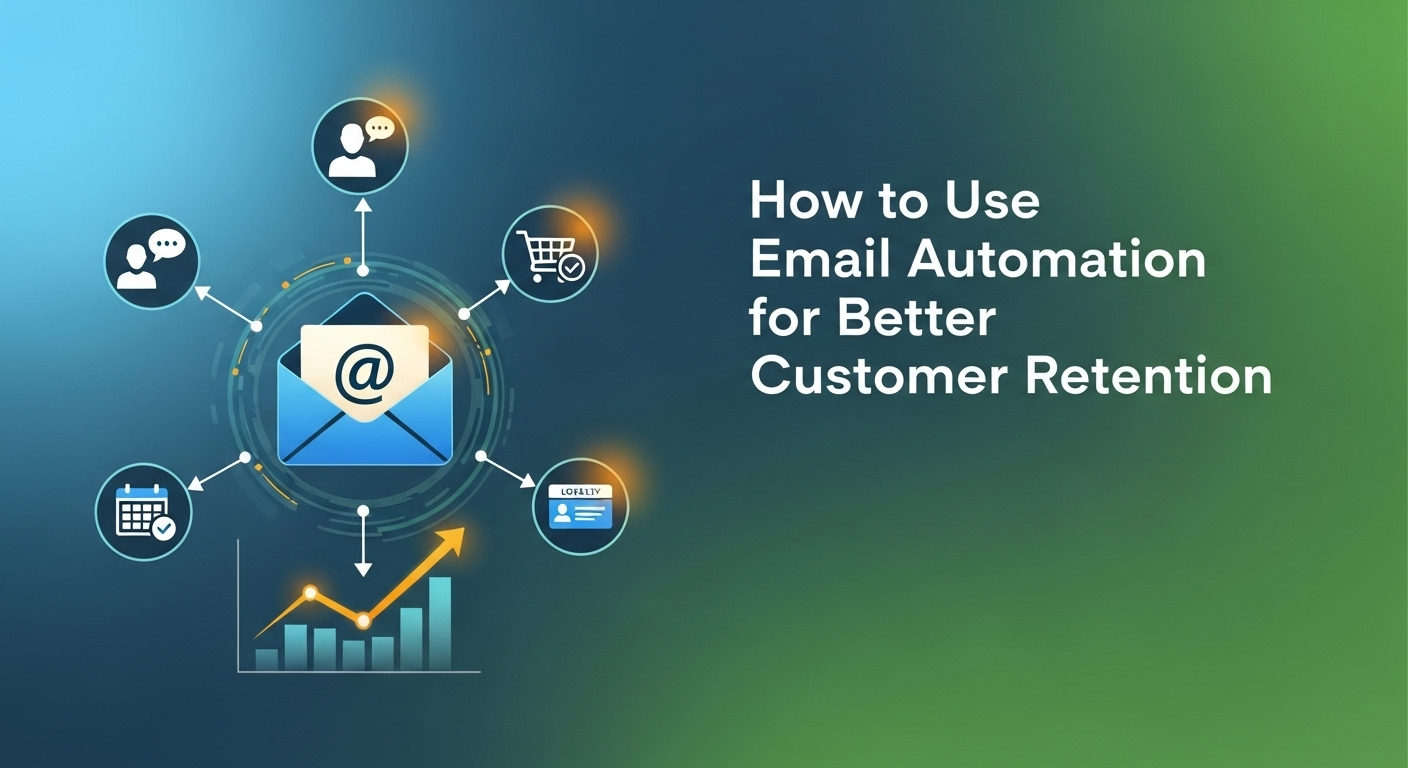
  • How to Use Email Automation for Better Customer Retention

    How to Use Email Automation for Better Customer Retention

    In today’s digital world, businesses rely heavily on email marketing to connect with customers, promote products, and keep them engaged. However, a significant threat to the effectiveness of email marketing campaigns is the risk of emails being marked as spam or, worse, leading to blacklisting. One of the most effective ways to safeguard your email reputation and enhance customer retention is through email verification. By ensuring your email list is clean and valid, you can drastically reduce the chances of your messages being flagged as spam. But how can email verification work hand-in-hand with email automation for better customer retention? Let’s explore how these tools can protect your brand while boosting engagement.

    Email automation is revolutionizing the way businesses interact with customers. By automating key touchpoints like abandoned cart reminders, welcome emails, and re-engagement campaigns, businesses can deliver personalized experiences that drive customer loyalty. However, to truly benefit from email automation, ensuring that the email addresses in your list are valid is essential. Email verification prevents undelivered messages, improves deliverability rates, and shields you from spam complaints. When combined with automation, this powerful combination can lead to better customer retention and a more successful email marketing strategy.

    1. The Importance of Email Verification in Modern Email Marketing

    Explanation:
    Email marketing is a crucial tool for businesses to communicate with their audience. However, sending emails to invalid or outdated addresses can lead to a series of problems. One of the most significant issues is the risk of being blacklisted by email service providers (ESPs), resulting in a damaged reputation and a reduction in open rates. Email verification plays a pivotal role in keeping email lists clean, ensuring high deliverability rates, and avoiding spam complaints. In this section, we will discuss the importance of regularly validating your email list.

    The background story here can be illustrated through real-life examples: businesses that have faced severe consequences from email blacklisting, including reduced customer engagement and overall brand perception. For instance, an e-commerce company that continuously sent emails to invalid email addresses faced escalating bounce rates and ultimately lost credibility in the eyes of their customers and ESPs.

    Recommendations for businesses will include utilizing email verification tools regularly to scrub email lists and prevent negative outcomes like blacklisting and poor sender reputation. Consistent email verification should be a cornerstone of any email marketing strategy.

    2. How Email Verification Helps Avoid Spam Complaints

    Explanation:
    Spam complaints can ruin an email marketing campaign’s effectiveness. When recipients mark emails as spam, ESPs take notice, and this can lead to increased filtering or even blacklisting. One effective way to reduce spam complaints is to ensure that emails are only sent to those who genuinely want to receive them. Email verification helps by eliminating invalid, outdated, or irrelevant addresses, reducing the likelihood of spam complaints. This process also helps in targeting only active users, improving overall engagement and enhancing the customer experience.

    We’ll delve into the process of email verification and explain how it works to remove invalid or risky email addresses, such as those with fake domains, disposable email services, or typographical errors. For instance, if a company sends promotional emails to outdated addresses, it can result in a poor sender score, leading to emails being automatically marked as spam. This negatively affects deliverability and engagement, which directly impacts customer retention.

    Recommendations will include the importance of real-time verification during sign-up forms and email capture points to ensure only valid addresses are added to your email lists. This preventative step can save businesses from future headaches.

    3. Combining Email Automation with Verified Lists for Maximum Retention

    Explanation:
    Email automation is one of the most powerful tools in modern marketing, especially when used to nurture relationships with customers. However, even the best-automated campaigns are ineffective if the email list contains invalid or risky addresses. By combining email verification with automation, businesses can ensure that their messages reach the right audience at the right time, significantly improving customer retention.

    For example, let’s say a business is running an automated abandoned cart campaign. If the email list includes invalid emails, the campaign may fail, leading to lost sales opportunities. By verifying email addresses in real-time and cleaning the list before running any automated campaign, businesses can ensure their messages are delivered to active and engaged customers. The more precise the segmentation, the better the outcome in terms of customer retention.

    Recommendations include integrating email verification with your CRM or email marketing tool to automate the verification process, ensuring that only valid and responsive customers are included in future campaigns.

    4. The Financial and Brand Impact of Spam Complaints and Blacklisting

    Explanation:
    The financial impact of being blacklisted can be significant. Businesses face not only the loss of customer trust but also an increase in costs associated with trying to fix the damage caused by blacklisting. The lost opportunities in customer engagement and customer retention are just the beginning. Restoring a sender reputation after being blacklisted can take time, resources, and effort, affecting your bottom line.

    By examining the real costs and impacts of spam complaints and blacklisting, this section highlights the importance of taking proactive steps to avoid these issues. Businesses that ignore the need for email verification may find themselves caught in a vicious cycle of reduced deliverability, lower engagement, and ultimately, lost sales. Companies that invest in email verification tools will save money and protect their brand reputation over the long term.

    Recommendations for startups and small businesses will include investing in reliable email verification services that help manage their email lists and avoid the consequences of blacklisting. Startups should especially be cautious about these issues as they can hinder their growth and ability to connect with customers.

    5. Best Practices for Email Verification and Automation for Startups

    Explanation:
    Startups often face challenges in managing their email marketing efforts, from building an email list to scaling automated campaigns. This section will outline the best practices that startups should adopt to ensure email verification and automation are handled correctly. From initial setup to continuous monitoring, we will explain the step-by-step process of implementing both strategies effectively.

    A background story here could be about a startup that struggled with building a reliable email list and faced issues like poor email deliverability. With the right approach, they implemented email verification and refined their automated campaigns, which resulted in better engagement and increased sales. The key takeaway here is that even small startups can benefit from streamlined processes and tools, helping them grow faster and more sustainably.

    Recommendations will focus on small businesses investing in affordable yet effective tools for both email verification and automation. Automating these processes allows startups to focus on customer engagement and retention without worrying about email deliverability.

    Conclusion & Recommendations for Startups:

    In conclusion, ensuring that email marketing campaigns are successful involves much more than just sending promotional messages to a list. By utilizing email verification services alongside email automation, businesses can ensure their emails reach the right audience while avoiding blacklisting and spam complaints. These steps not only enhance customer engagement but also improve customer retention, a critical element in growing a sustainable business.

    For startup owners, investing in reliable email verification tools and setting up automated, personalized email campaigns can drastically reduce operational costs, improve your marketing efforts, and safeguard your brand. A clean and verified email list is a foundation for successful email marketing campaigns that drive customer loyalty and ultimately, better sales. Don’t wait for issues to arise – implement these practices today and set your startup on the path to success!

  • Best Lead Generation Strategies Using Email Marketing

    Best Lead Generation Strategies Using Email Marketing

    In the world of email marketing, delivering your message directly into your audience’s inbox is the ultimate goal. However, spam complaints and blacklisting are significant threats that can ruin the effectiveness of your campaigns. Without proper verification of your email list, you risk being marked as spam, which could lead to a reduced reputation and ultimately, diminished returns on your lead generation efforts. But what if there was a way to ensure your emails always reached their destination—without any setbacks?

    By implementing email verification tools, marketers can maintain a clean email list, improving deliverability and significantly reducing the likelihood of complaints and blacklisting. It’s more than just a technical need—it’s a strategy that empowers businesses to enhance their email marketing efforts, ensuring better engagement, trust, and conversions. For small startups and business owners who rely on lead generation via email marketing, the difference between success and failure often lies in the quality of their email list. In this article, we’ll explore how email verification can safeguard your email marketing efforts and take your lead generation strategies to the next level Outline for the Article:

    1. The Importance of Email List Hygiene

    Explanation:
    One of the fundamental aspects of successful email marketing is having a high-quality email list. Email list hygiene is crucial for reducing bounce rates, improving deliverability, and increasing open rates. Businesses need to understand the importance of keeping their email lists clean by regularly removing invalid, outdated, or unengaged email addresses. A dirty email list can damage your sender reputation and lead to spam complaints.

    To ensure list hygiene, marketers should adopt an email verification tool that checks the validity of email addresses in real-time. Verifying emails before sending campaigns helps to maintain accuracy, reduces bounce rates, and prevents your emails from being labeled as spam. Many email verification services offer a real-time solution that not only prevents the inclusion of invalid emails but also flags risky email addresses that may harm your reputation.

    For startups, managing email hygiene is especially important as they often have smaller, more targeted lists. Keeping these lists clean allows startups to maximize their email marketing efforts without wasting resources on ineffective outreach. Regular email list cleaning should be a key part of any successful email strategy, helping businesses optimize their lead generation campaigns and nurture customer relationships effectively.

    2. How Email Verification Prevents Spam Complaints

    Explanation:
    Spam complaints can severely impact your sender reputation and cause your domain to be blacklisted by email providers. When recipients mark your emails as spam, this signals to email service providers (ESPs) that your content is unwanted. As a result, your emails might end up in the spam folder for all future recipients, which can lead to low engagement and missed opportunities.

    Email verification tools help prevent this by ensuring that the emails you’re sending to are legitimate and interested recipients. By removing invalid, non-responsive, or risky emails, email verification lowers the chances of recipients marking your message as spam. Furthermore, these tools flag disposable email addresses or those associated with spam traps, ensuring that your campaigns target only those who genuinely want to hear from you.

    For startups, whose reputations are still growing, avoiding spam complaints is crucial. One negative spam complaint can set back progress significantly, affecting the entire marketing strategy. By verifying emails and cleaning your list regularly, you not only protect your sender score but also ensure a more effective, trustworthy email marketing campaign, which translates into higher conversion rates and better customer relationships.

    3. The Dangers of Blacklisting and How to Avoid It

    Explanation:
    Blacklisting occurs when email service providers identify your domain as a source of spam. Being blacklisted severely impacts your ability to send legitimate emails. Once blacklisted, all emails from your domain may be blocked or sent straight to the spam folder, making it almost impossible to reach potential customers.

    Email verification tools act as a preventive measure by ensuring that your emails are sent only to valid, interested contacts. These tools check if an email address is on a blacklist before allowing you to send messages to it. By filtering out invalid or problematic emails, email verification minimizes the risk of blacklisting and keeps your email campaigns running smoothly.

    Startups need to understand that their email marketing success hinges on their sender reputation. One mistake—such as sending emails to invalid or low-quality addresses—can lead to blacklisting, hurting your credibility in the long run. Regular email verification helps safeguard your reputation, improve deliverability, and maximize the chances of email campaign success, making it an essential investment for any startup focused on lead generation.

    4. Boosting Email Marketing ROI with Clean Data

    Explanation:
    Lead generation through email marketing is most effective when businesses send targeted messages to an engaged and relevant audience. Clean, verified data is the foundation for this process. Sending emails to a list full of unverified addresses only wastes time and resources, which negatively impacts your ROI.

    By utilizing email verification services, businesses can filter out low-quality leads and focus on those who are more likely to engage with their content. This significantly boosts the ROI of email campaigns. Verified email addresses ensure better deliverability, leading to higher open and click-through rates. More importantly, it ensures that marketing budgets are spent effectively by focusing efforts on the right audience.

    For startups looking to establish themselves, generating quality leads is key to long-term growth. With email verification, you’re able to focus your energy on leads that matter, improving your lead nurturing process and converting potential customers into loyal clients. This investment in quality email data can pay off exponentially by reducing bounce rates and maximizing campaign performance.

    5. Recommendations for Successful Email Marketing Campaigns

    Explanation:
    To run an effective email marketing campaign, it’s essential to combine email verification with other best practices. Start by segmenting your email list to target the right audience. Personalization is another crucial factor, as personalized content yields higher engagement and conversion rates. Furthermore, ensure that your emails are optimized for mobile devices, as most users access emails via smartphones.

    Additionally, focus on crafting compelling subject lines, clear calls to action, and engaging content that speaks to the needs of your target audience. Finally, always track your metrics to understand what’s working and refine your strategy accordingly. Email verification services fit seamlessly into this process, ensuring that your emails reach their intended recipients and are well-received.

    For startups, integrating email verification into your marketing strategy is an essential step toward ensuring that your email campaigns reach the right people and generate meaningful results. By combining email verification with other best practices, you can optimize your lead generation efforts and increase the likelihood of success in your marketing campaigns.

    Conclusion:

    To maximize your lead generation efforts and build lasting relationships with your customers, email verification should be an integral part of your email marketing strategy. By preventing spam complaints, blacklisting, and improving deliverability, email verification tools help small startups and business owners protect their sender reputation and improve campaign effectiveness.

    For startups, ensuring that your emails are sent only to valid and engaged recipients not only improves your ROI but also fosters trust and loyalty with your audience. As your business grows, investing in email verification will prove to be an invaluable tool for maintaining the health of your email lists and enhancing the success of your marketing campaigns. To get started, consider using a reputable email verification service to clean your email list today, and set yourself up for long-term success in lead generation.

  • The Psychology Behind High-Converting Email Subject Lines

    The Psychology Behind High-Converting Email Subject Lines

    Email marketing is a powerful tool for startups and small businesses, but it’s not just about sending emails; it’s about making sure those emails get opened. High-converting email subject lines are a key factor in determining the success of your campaigns. However, crafting subject lines that grab attention requires understanding the psychology behind email marketing. The right approach can make the difference between a 10% open rate and a 60% open rate, which ultimately affects your conversion and sales outcomes.

    With businesses facing an increasingly competitive digital space, ensuring that emails don’t end up in spam folders or trigger spam complaints becomes critical. This is where email verification comes into play. Verifying your email list not only helps reduce bounce rates but also enhances your reputation and prevents blacklisting. A clean, verified email list is essential to ensuring that your email marketing efforts are effective. In this article, we’ll delve into how email verification helps improve your email campaigns and avoid pitfalls like spam complaints and blacklisting.

    1. Understanding Email Verification and Its Importance

    • Explanation: Email verification is the process of ensuring that the email addresses on your list are valid, active, and belong to real users. It prevents you from sending emails to fake addresses or invalid ones, which can lead to high bounce rates, reduced deliverability, and blacklisting. A clean email list boosts your sender reputation, which directly impacts your campaign success.
    • Background Story: Picture this – you’ve spent hours crafting a perfect email campaign, but when you hit send, you see poor engagement, high bounce rates, and worst of all, some of your emails end up in the spam folder. This is not a rare occurrence; many marketers experience this due to unverified email lists.
    • Recommendation: Start by using a reputable bulk email verification service to clean your email list before launching your campaigns.

    2. How Email Verification Prevents Spam Complaints

    • Explanation: Spam complaints can result in your emails being flagged by email service providers (ESPs), and if your email list includes invalid or low-quality addresses, the likelihood of complaints increases. Verification services filter out invalid, abandoned, or suspicious email addresses, ensuring that your messages reach the right inboxes. The result is fewer complaints and a more positive sender reputation.
    • Background Story: For instance, a startup owner focused on growing their business sent out a promotional email without verifying their email list. They ended up with several spam complaints, damaging their brand image and leading to decreased open rates.
    • Recommendation: Before each campaign, run your list through a verification tool to prevent unwanted spam reports and protect your brand image.

    3. The Risks of Blacklisting and How to Avoid It

    • Explanation: Email blacklisting occurs when your domain or IP address is flagged as a source of spam. Once blacklisted, your emails may never reach your customers’ inboxes, significantly hurting your email marketing success. Email verification can help you avoid this by eliminating bad addresses that could trigger blacklisting. It reduces bounce rates, improves engagement, and keeps your email campaigns running smoothly.
    • Background Story: A small business that frequently sent emails to unverified addresses found itself blacklisted by several ESPs, resulting in lost customers and revenue. It wasn’t until they invested in email verification tools that they regained their good standing.
    • Recommendation: Use email verification regularly, especially after list growth or any major data acquisition campaigns, to maintain your IP’s credibility.

    4. Email Verification and Better Deliverability

    • Explanation: Email deliverability refers to the success rate of your emails reaching the inbox instead of the spam folder. Invalid email addresses hurt your deliverability, and more importantly, they affect the perception of your business as a reliable sender. Email verification improves your chances of reaching your audience by ensuring only legitimate emails are part of your list.
    • Background Story: Many businesses are unaware that poor deliverability is often linked to an unclean email list. One such business saw its open rates increase by 20% just after cleaning its list with an email verification service.
    • Recommendation: Make email verification part of your regular marketing routine to increase your email open rates and improve engagement across the board.

    5. How Email Verification Supports Long-Term Email Marketing Success

    • Explanation: By maintaining a clean email list through consistent email verification, you’re ensuring long-term email marketing success. Not only does it reduce the risk of spam complaints and blacklisting, but it also boosts engagement, leads to better segmentation, and helps personalize your marketing campaigns.
    • Background Story: A startup focused on growing its subscriber base used email verification to keep its lists clean. This move helped them not only protect their reputation but also increase their conversion rates by sending emails to only the most engaged and legitimate subscribers.
    • Recommendation: For startups and growing businesses, investing in email verification is crucial for sustainable email marketing growth.

    6. The Role of Email Subject Lines in Reducing Spam Complaints

    • Explanation: A compelling, personalized email subject line is not only essential for increasing open rates but also plays a role in reducing spam complaints. A subject line that resonates with your audience builds trust and entices them to open your emails. This helps to ensure that your emails are seen as relevant and not spammy, thus avoiding complaints.
    • Background Story: A business focused on crafting engaging subject lines witnessed a noticeable decrease in spam complaints once they tailored subject lines to their specific audience segments.
    • Recommendation: Use psychological triggers in your email subject lines to grab attention while maintaining authenticity and relevance.

    Conclusion & Recommendations for Startups:

    As a startup or small business owner, ensuring the success of your email marketing campaigns is crucial for growth. Email verification is an essential first step in this process. By verifying your email list before sending out any campaign, you not only protect your reputation but also increase your deliverability, reduce spam complaints, and avoid blacklisting. The importance of clean, verified email lists cannot be overstated, as it directly impacts your conversion rates and overall email marketing success.

    For best results, make email verification part of your regular workflow and optimize your subject lines for engagement. By doing so, you’ll improve your chances of not only reaching your audience but also boosting customer loyalty and sales. For startups, investing in quality email verification services is an affordable and effective way to ensure the longevity and success of your email marketing campaigns.